


Ishaq Dar, Iran’s FM discuss regional peace efforts amid US-Iran talks
 Rabbia Zafar
|
20 minutes ago
Rabbia Zafar
|
20 minutes ago
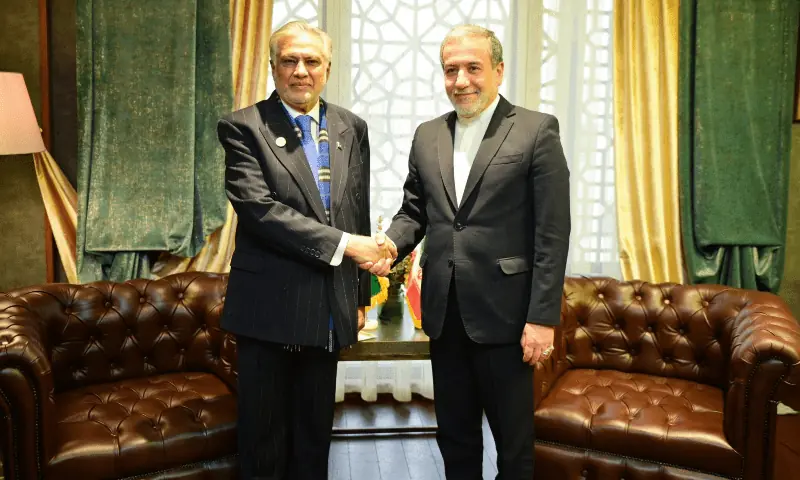
Deputy Prime Minister and Foreign Minister Ishaq Dar held a telephone conversation with Iranian Foreign Minister Abbas Araghchi on Sunday night, focusing on the evolving regional situation and Pakistan’s ongoing diplomatic efforts to support peace and stability, according to the Foreign Office (FO).
The FO said both leaders discussed the broader regional security environment and Islamabad’s continued engagement with relevant parties to promote dialogue. During the call, the Iranian foreign minister appreciated Pakistan’s “constructive role and sincere mediation efforts” aimed at reducing tensions between the involved sides.
Ishaq Dar reaffirmed Pakistan’s consistent stance that dialogue and diplomacy remain the only viable path to resolving disputes. He emphasized that peaceful negotiations are essential for long-term stability not only in the region but also beyond it.
Vote counting begins in Indian state elections with focus on West Bengal
The development comes amid renewed diplomatic activity following reports that the United States had responded to a new Iranian peace proposal. Iranian state media said Washington’s response was delivered through Pakistan, which has played a mediating role in ongoing backchannel diplomacy. Tehran is currently reviewing the response.
US President Donald Trump also stated that his representatives were engaged in “very positive discussions” with Iran, suggesting the possibility of progress toward a broader agreement.
Negotiations between the US and Iran have remained stalled since a ceasefire, reportedly brokered with Pakistan’s involvement, came into effect on April 8. Only one round of direct talks has taken place in Islamabad so far.
Reports from international media indicate that the proposed framework includes phased steps such as reopening the Strait of Hormuz, addressing naval blockades, and gradually de-escalating regional hostilities. It also outlines a multi-stage plan involving nuclear-related arrangements, sanctions relief, and regional security dialogue.
According to these reports, the proposal envisions a 30-day transition period to shift from ceasefire arrangements toward a more comprehensive peace framework, including broader Middle East security discussions involving regional stakeholders.
Pakistan’s continued diplomatic engagement is being viewed as part of broader efforts to de-escalate tensions and promote regional stability amid ongoing geopolitical uncertainty.
Ishaq Dar, Iran’s FM discuss regional peace efforts amid US-Iran talks

Iran warns US over Strait of Hormuz operation as tensions escalate
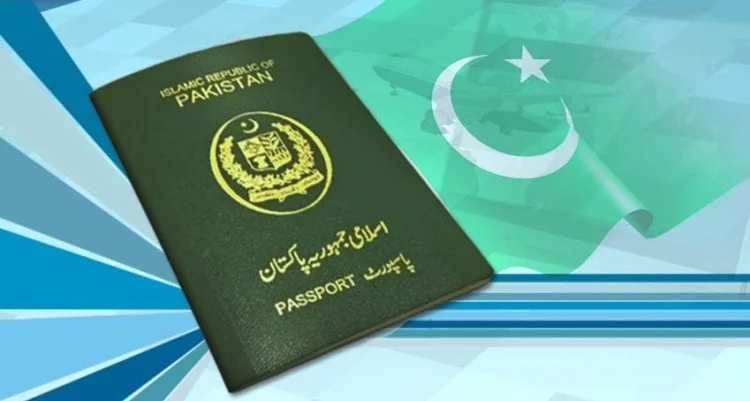
Singapore tops passport index as Pakistan ranks fourth weakest

Saudi Arabia issues strict warning over Hajj rule violations

Vote counting begins in Indian state elections with focus on West Bengal

Oil prices ease as US moves to free Hormuz shipping

Plan to convert cotton institute land into club raises concerns in Multan
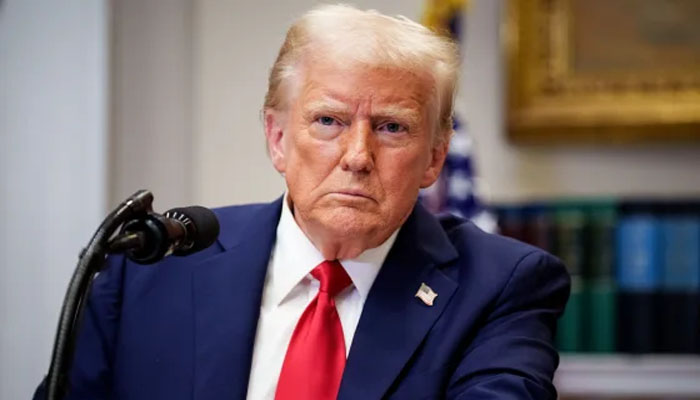
 Tensions between Iran and the United States have intensified after Tehran warned that any American interference in the Strait of…
 Vote counting in elections across five Indian states and territories began on Monday under tight security, with major attention focused…
- US President Donald Trump on Sunday announced a new initiative to escort stranded vessels out of the Strait of Hormuz,…
- Trump expresses dissatisfaction over Iran proposals via Pakistan talks, raising concerns about ongoing ceasefire efforts. Donald Trump said the United…
 The Indus Hospital, located in Karachi’s Korangi area, has earned widespread recognition for providing free and quality healthcare services to…
 The Healthcare Devices Association of Pakistan (HDAP) has raised serious concerns over the continued presence of banned reusable syringes in…
- Federal health authorities have ordered strict nationwide enforcement of a ban on conventional disposable syringes and initiated a policy review…
 Pakistan’s second national anti-polio campaign of 2026 is continuing across the country, with efforts now in its sixth day as…


 Deputy Prime Minister and Foreign Minister Ishaq Dar held a…20 minutes ago
- Tensions between Iran and the United States have intensified after…35 minutes ago
 The latest global ranking of travel documents has placed Singapore…41 minutes ago
- The Interior Ministry of Saudi Arabia has issued a firm…1 hour ago