


Keir Starmer under pressure over Mandelson appointment controversy
 Rabbia Zafar
|
5 hours ago
Rabbia Zafar
|
5 hours ago
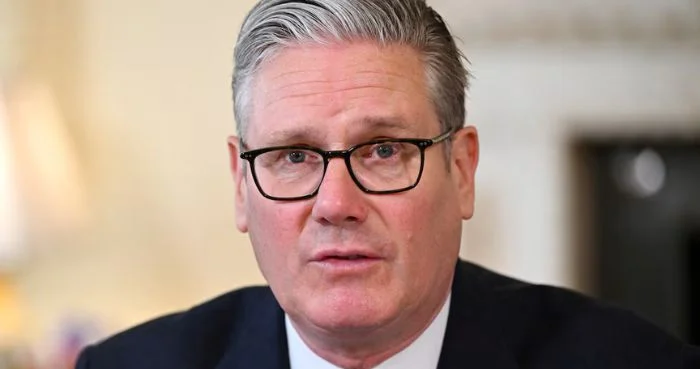
British Prime Minister Keir Starmer is set to address parliament on Monday as he faces mounting political pressure and renewed calls for his resignation over the controversial appointment of Peter Mandelson as the UK’s ambassador to the United States.
The dispute centres on revelations that Mandelson, a senior figure in the Labour Party, failed a security vetting process before his appointment. He was later dismissed from the post in September last year after reports emerged detailing his connections with the late convicted sex offender Jeffrey Epstein. Starmer had previously apologised for the appointment, but fresh disclosures have reignited criticism and deepened the political fallout.
The controversy has also led to the dismissal of a senior Foreign Office official, Olly Robbins, who was involved in the process. Starmer has said it was “unforgivable” that he was not informed earlier about the failed vetting, and he is expected to “set out the relevant facts” to MPs during his parliamentary statement.
Opposition parties have intensified their attacks. Conservative leader Kemi Badenoch accused the prime minister of “reckless negligence,” arguing that the appointment damaged the UK’s diplomatic credibility and raised questions about national security procedures. Liberal Democrats leader Ed Davey also criticised Starmer, describing the handling of the case as a “catastrophic misjudgement.”
Government ministers have defended Starmer, saying he would not have proceeded with the appointment had he been aware of the vetting failure. Technology Secretary Liz Kendall said the prime minister would have considered it unacceptable regardless of political or reputational consequences.
The controversy comes at a politically sensitive time for Starmer, whose popularity has reportedly declined since Labour’s decisive election victory in 2024. With parliament set for a detailed statement and further scrutiny expected in committee hearings later this week, the issue has placed the government under renewed pressure over judgment, transparency, and accountability in senior diplomatic appointments.

US-led war games begin in Philippines amid regional tensions


Two police personnel, including female constable, martyred in Khuzdar clash



2 hours ago

2 hours ago

2 hours ago

3 hours ago

4 hours ago
4 hours ago
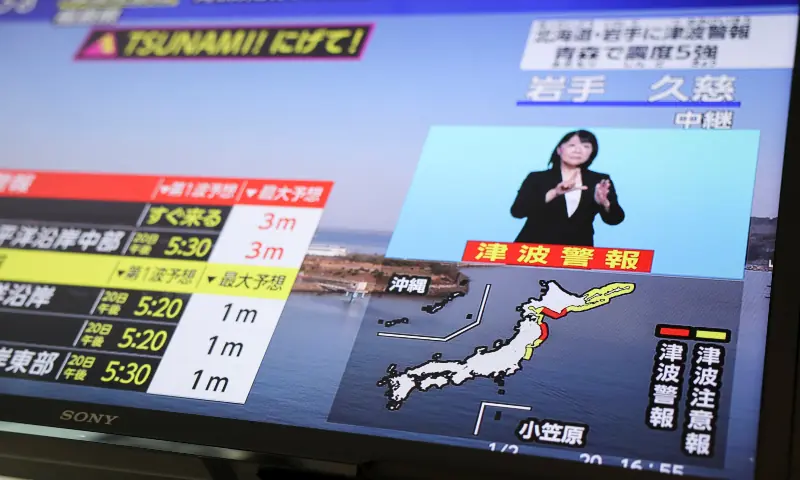
- A powerful 7.4-magnitude earthquake struck northern Japan on Monday, triggering a tsunami that sent waves crashing into coastal مناطق, according…
- Thousands of troops from the United States and the Philippines, joined for the first time by a significant Japanese contingent,…
 Concerns are mounting over the stability of the ceasefire between the United States and Iran after Washington announced it had…
 British Prime Minister Keir Starmer is set to address parliament on Monday as he faces mounting political pressure and renewed…
 Pakistan’s second national anti-polio campaign of 2026 is continuing across the country, with efforts now in its sixth day as…
 A shocking report by BBC has triggered nationwide outrage in Pakistan after alleging severe medical malpractice at a Tehsil Headquarter…
 Pakistan’s second National Anti-Polio Campaign of 2026 is continuing across the country with full momentum, as health workers aim to…
 A new case of monkeypox has been reported in Karachi, raising fresh concerns among health authorities in the city. According…






- A powerful 7.4-magnitude earthquake struck northern Japan on Monday, triggering…2 hours ago
- Thousands of troops from the United States and the Philippines,…2 hours ago
- Federal Interior Minister Mohsin Naqvi met Acting US Ambassador to…2 hours ago
- The Pakistan Stock Exchange (PSX) witnessed a sharp decline on…3 hours ago