


Khawaja Asif calls for faster privatisation reforms
 Web Desk
|
3 hours ago
Web Desk
|
3 hours ago

Defence Minister Khawaja Asif has stressed the importance of accelerating the privatisation of state-owned enterprises, arguing that delays in reforms have imposed a massive financial burden on Pakistan’s economy over the years.
Speaking on a television programme, Khawaja Asif said that if the Pakistan Steel Mills had been closed in 1991, the country could have avoided losses worth hundreds of billions of rupees. He maintained that prolonged support for loss-making public sector entities has significantly strained national finances and diverted resources away from development priorities.
Referring to Pakistan International Airlines, the minister claimed that delays in its privatisation since 2016 had added an additional burden of around Rs600 billion. According to him, these funds could have been invested in infrastructure, public services, and other development projects that directly benefit citizens.
Khawaja Asif acknowledged that national economic priorities had not always aligned with the country’s actual needs. He noted that Prime Minister Shehbaz Sharif is actively pursuing the privatisation agenda and seeking to improve the efficiency of public sector institutions.
The minister revealed that three major electricity distribution companies — GEPCO, FESCO, and LESCO — are expected to be offered for privatisation within the next three months. He expressed confidence that reducing government losses would create fiscal space for important projects, including water infrastructure initiatives.
Highlighting Pakistan’s history of economic reforms, Khawaja Asif said former Prime Ministers Nawaz Sharif and Benazir Bhutto oversaw much of the country’s privatisation process. He added that several banks privatised during that period have since become highly profitable institutions.
The minister also raised concerns about governance practices, claiming that some bureaucrats have served on an excessive number of boards, underscoring the need for stronger institutional oversight and accountability.

Two suspected drug suppliers linked to Anmol Pinky arrested in Karachi
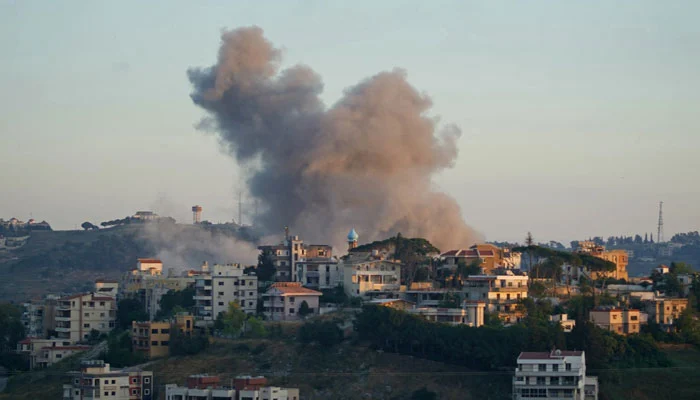
Israeli strikes hit southern Lebanon, 16 reported dead

Naumaan Ijaz responds to criticism over showbiz earnings

Imad Irfani’s new look sparks comparisons with Imran Khan

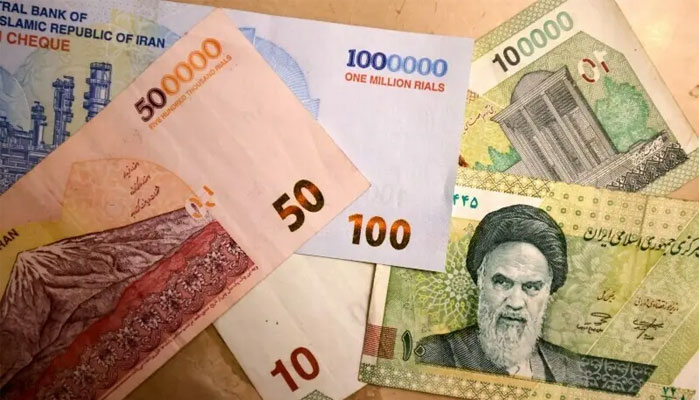
Trump-Iran deal sparks comparisons with Obama-era nuclear accord





13 minutes ago

21 minutes ago
40 minutes ago
48 minutes ago
1 hour ago
1 hour ago
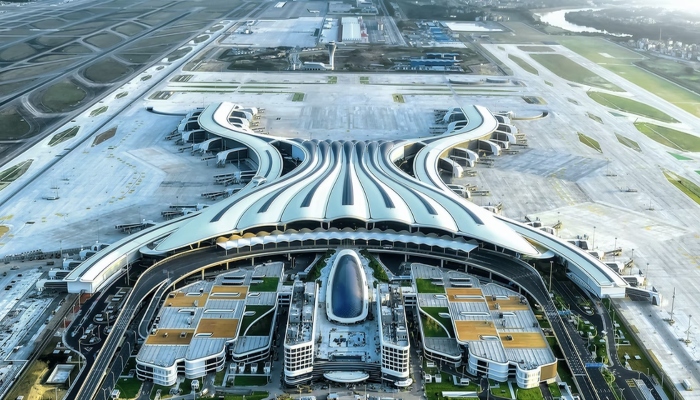
- The title of the world’s most beautiful airport has been awarded to China’s Guangzhou Baiyun International Airport Terminal 3. According…
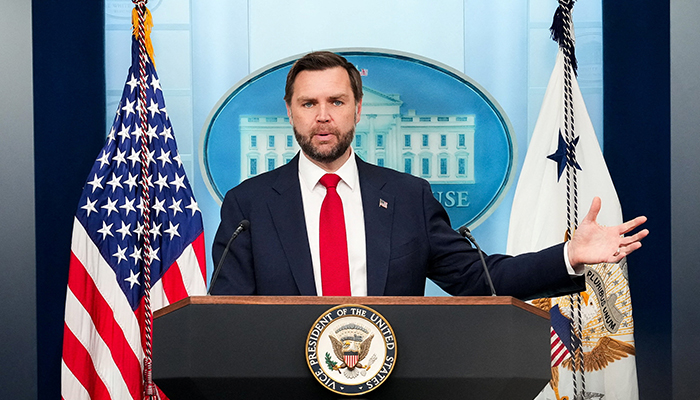
- US Vice President JD Vance has said that the agreement reached with Iran could play a significant role in promoting…
- US President Donald Trump has said that the United States is committed to peace and expects a complete ceasefire across…
- Ukraine carried out a large-scale drone attack on the Russian capital Moscow on Thursday, reportedly launching hundreds of drones and…


 Karachi is witnessing a worrying surge in congenital heart diseases among newborns, with medical experts warning that thousands of children…
 Pakistan now has the highest diabetes rate in the world, according to the latest IDF report. The report shows that…
 South Africa, Eswatini, and Zambia have begun administering lenacapavir, a groundbreaking HIV-prevention injection, marking a major milestone in the fight…
- KARACHI: The Sindh High Court’s Constitutional Bench was informed on Monday that all milk samples collected in Karachi are harmful…






- Police in Karachi have claimed to have arrested two…13 minutes ago
- At least 16 people were reported killed after Israeli…21 minutes ago
- Veteran Pakistani actor Naumaan Ijaz has responded to a…40 minutes ago
- Pakistani actor Imad Irfani has become the center of attention…48 minutes ago