


Scientists uncover why mosquitoes prefer some people over others
 Rabbia Zafar
|
1 day ago
Rabbia Zafar
|
1 day ago
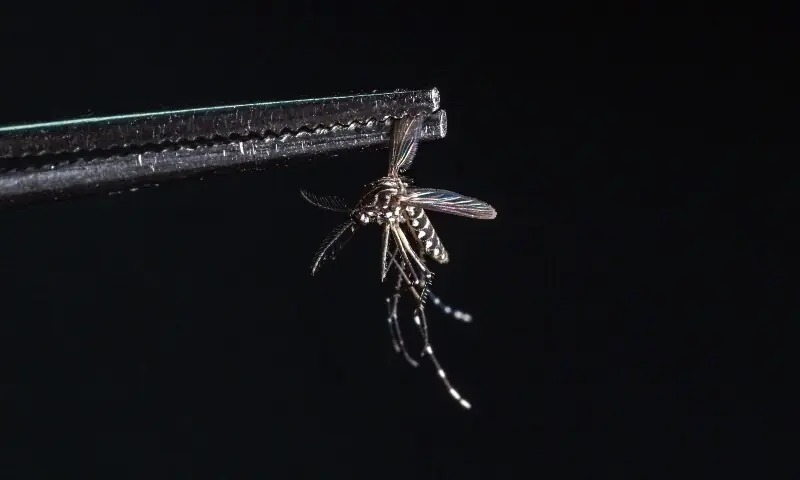
Scientists are making progress in understanding why mosquitoes seem to bite some people more than others, identifying a complex mix of chemical and physical cues that influence their behaviour.
“It’s not a misconception — mosquitoes are attracted to some people more than others,” said Frederic Simard of France’s Institute of Research for Development, noting that humans are not “mosquito magnets” all the time.
Researchers say female mosquitoes, which are the only ones that bite, rely on highly sensitive receptors to detect signals such as carbon dioxide, body heat, and human odours.
According to Swedish researcher Rickard Ignell, carbon dioxide is the first major trigger, detectable from dozens of metres away. As mosquitoes move closer, body odour, heat, and humidity become increasingly important in guiding them to a target.
Scientists say blood type, skin colour, eye colour, and hair colour have no proven link to mosquito attraction, despite popular myths.
Pakistan rejects reports of Iranian aircraft presence at Noor Khan Air Base
Instead, human skin produces a wide range of odorous compounds shaped by individual biology and microbiota. Researchers have identified hundreds of such chemicals, though only a small fraction are known to influence mosquito behaviour.
Recent studies involving Aedes aegypti mosquitoes showed that they are attracted to a specific blend of skin-related compounds, including one known as “1-octen-3-ol,” sometimes referred to as mushroom alcohol. Even small variations in this compound can significantly affect mosquito preference.
Other research suggests lifestyle factors may also play a role. Drinking beer, for example, has been linked to increased attractiveness to mosquitoes due to changes in body temperature, carbon dioxide output, and skin odour.
A study in the Netherlands found that participants who had consumed beer were more likely to be targeted by mosquitoes compared to those who had not.
Experts warn that mosquito behaviour is becoming a growing public health concern as climate change expands their habitat range, increasing exposure to diseases such as dengue, yellow fever, malaria, and chikungunya.
Researchers advise simple protective measures, including wearing loose clothing, using mosquito nets, applying repellents, and reducing alcohol intake, to lower the risk of bites.



KP govt plans action against employees linked to terrorism

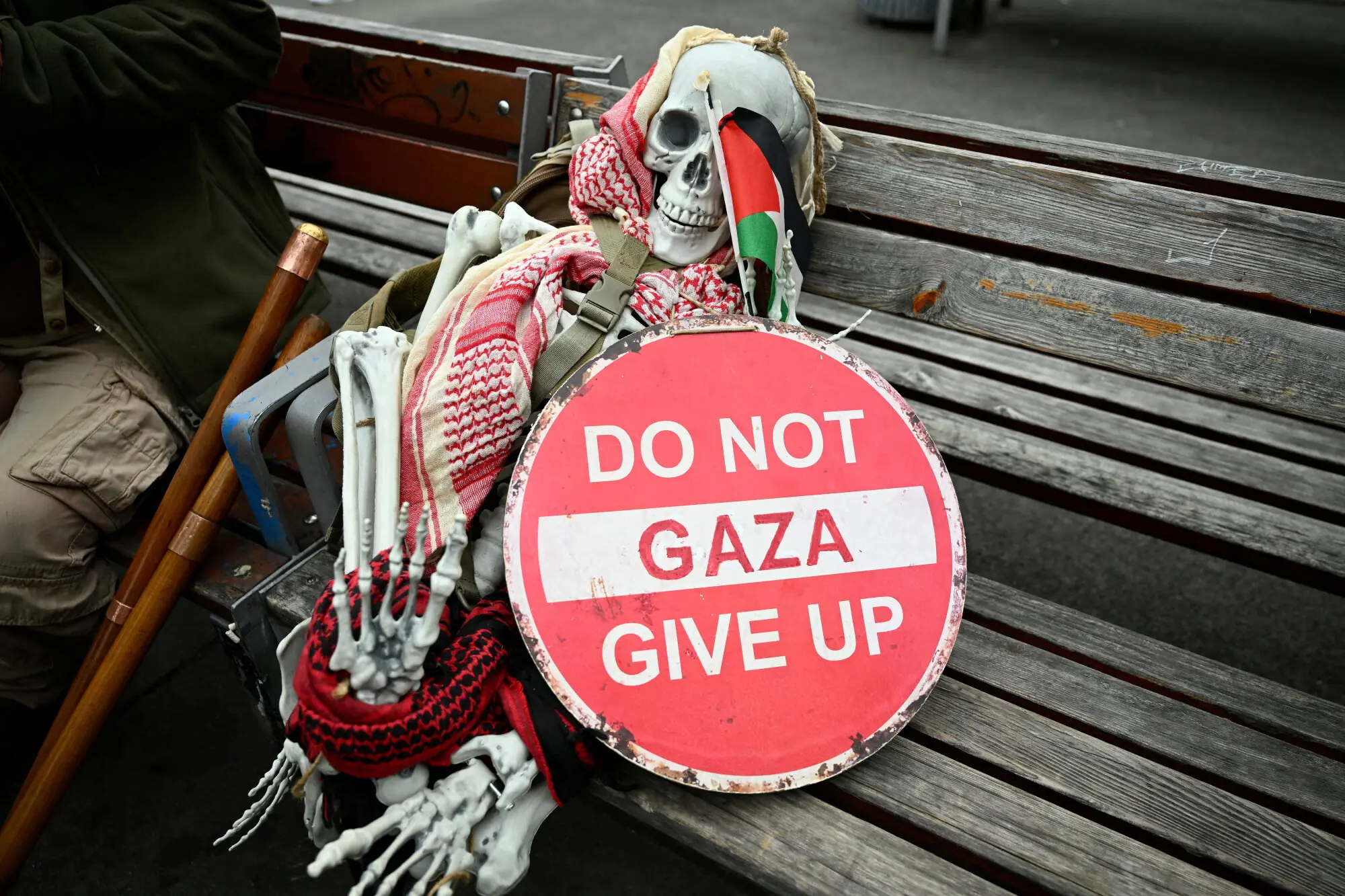
Eurovision crowd protests during Israeli contestant performance



1 hour ago

1 hour ago
1 hour ago

2 hours ago
2 hours ago

2 hours ago
- Indian Prime Minister Narendra Modi has reportedly reduced the size of his official motorcade as part of fuel-saving measures amid…
- Russian President Vladimir Putin has welcomed the latest test launch of the country’s strategic nuclear missile Sarmat, calling it “the…
 The Eurovision Song Contest faced renewed controversy on Tuesday after audience members protested during the performance of Israeli contestant Noam…
- At least 13 people were killed in a series of Israeli strikes in southern Lebanon on Tuesday, according to Lebanon’s…
 A major shift in medical terminology has been announced for Polycystic Ovarian Syndrome (PCOS), a common hormonal disorder affecting millions…
 Health authorities are working to contain a potential international spread of hantavirus after new suspected cases emerged across multiple countries,…
 The Indus Hospital, located in Karachi’s Korangi area, has earned widespread recognition for providing free and quality healthcare services to…
 The Healthcare Devices Association of Pakistan (HDAP) has raised serious concerns over the continued presence of banned reusable syringes in…



- The first liquefied natural gas (LNG) cargo from Qatar in…1 hour ago
- Indian Prime Minister Narendra Modi has reportedly reduced the size…1 hour ago
- Singapore has strict public property laws, and even picking up…1 hour ago
- Russian President Vladimir Putin has welcomed the latest test launch…2 hours ago