


North Korea accelerates missile tests amid Middle East conflict and shifting global order
 Rabbia Zafar
|
2 hours ago
Rabbia Zafar
|
2 hours ago
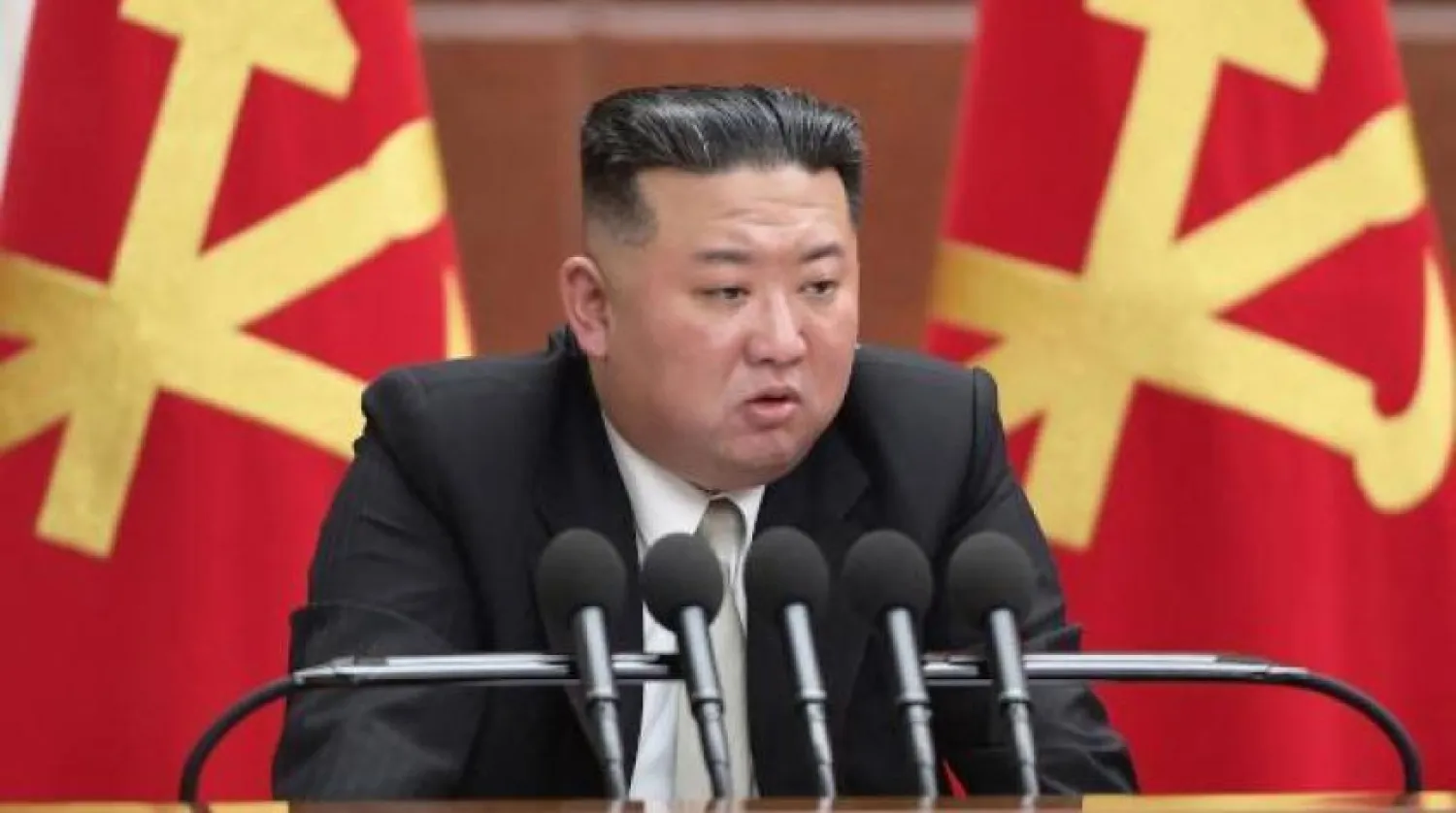
North Korea is reportedly taking advantage of the ongoing Middle East conflict to accelerate its weapons development and strengthen its nuclear posture, according to defence analysts.
Since US-Israeli strikes on Iran began in late February, North Korea has carried out five missile launches, including four in April alone — marking the highest monthly total since January 2024, according to an AFP data tally.
The tests come after North Korean leader Kim Jong Un reaffirmed plans to expand the country’s nuclear capabilities, while also deepening strategic ties with Russia and intensifying rhetoric against the United States and its ally South Korea.
Experts believe the current global tensions have created an environment where international norms are weakening. Lim Eul-chul, a North Korea expert at Kyungnam University, said the global security landscape has turned into what he described as a “lawless zone,” allowing Pyongyang to exploit geopolitical instability.
He added that North Korea appears to be using this moment to fast-track the completion of its nuclear arsenal.
Analysts note that the missile launches reflect a broader strategy to demonstrate both military advancement and deterrence capability. The tested systems reportedly include ballistic missiles, cruise missiles, and cluster munitions, showcasing dual-use technologies that can serve both nuclear and conventional warfare roles.
North Korea has also expanded cooperation with Russia, receiving economic and technical support in exchange for military assistance linked to the Ukraine conflict. This growing partnership is being viewed as a key factor enabling Pyongyang to withstand international sanctions pressure.
Observers say North Korea is also sending a signal that its nuclear status is “irreversible,” while differentiating its position from countries like Iran in terms of deterrence capability.
Meanwhile, analysts suggest that Pyongyang may continue frequent missile testing as part of a long-term strategy to normalize its nuclear operations and strengthen its bargaining position in future diplomatic engagements.


PCB prices surge as Middle East conflict disrupts supply chains
Pakistan shifting from sick-care to preventive healthcare system: Health Minister
Earthquake tremors felt in Islamabad and KP after 5.7 magnitude quake near Afghanistan-Tajikistan border
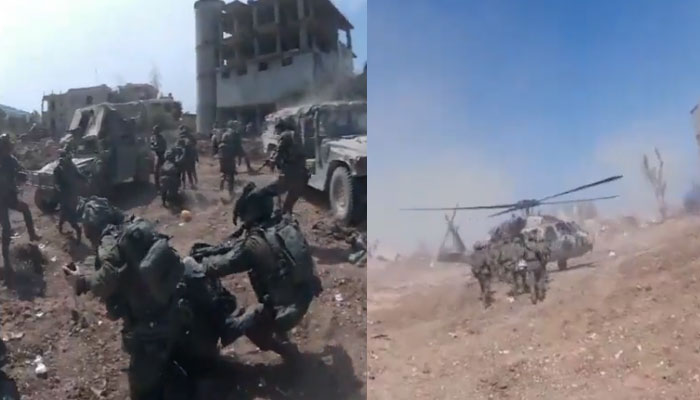
Drone strike reported near Israeli troops in southern Lebanon, video surfaces online
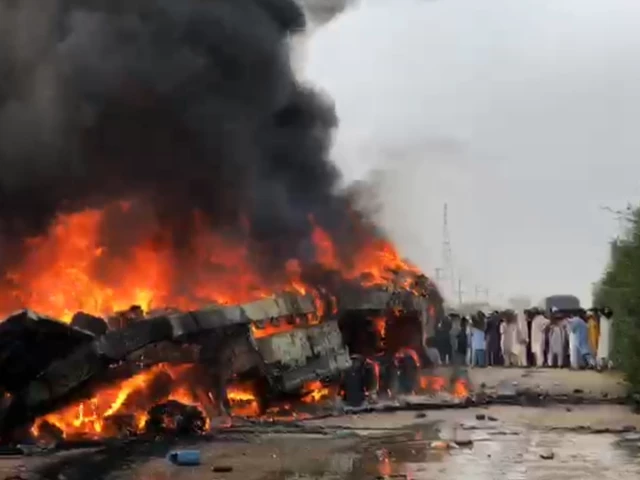
Truck fire on Indus Highway destroys cargo worth millions in Dera Ismail Khan

Punjab announces Lahore film city project to revive local film industry

Clashes reported in South Waziristan after cross-border firing and militant infiltration attempt

8 minutes ago

20 minutes ago

28 minutes ago
37 minutes ago
1 hour ago

1 hour ago
- The ongoing conflict in the Middle East has disrupted global supply chains and led to a sharp rise in prices…
- A video circulating on social media shows a reported drone strike targeting areas near Israeli troops in southern Lebanon’s Taybeh…
 North Korea is reportedly taking advantage of the ongoing Middle East conflict to accelerate its weapons development and strengthen its…
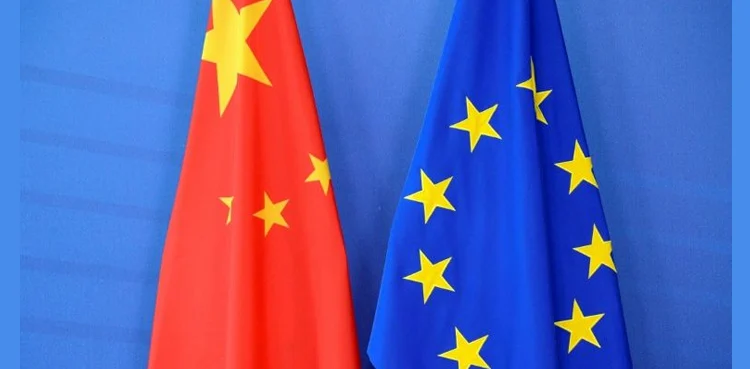
 China has strongly criticised a new European Union industrial policy proposal, warning that it will take countermeasures if the plan…
- Federal health authorities have ordered strict nationwide enforcement of a ban on conventional disposable syringes and initiated a policy review…
 Pakistan’s second national anti-polio campaign of 2026 is continuing across the country, with efforts now in its sixth day as…
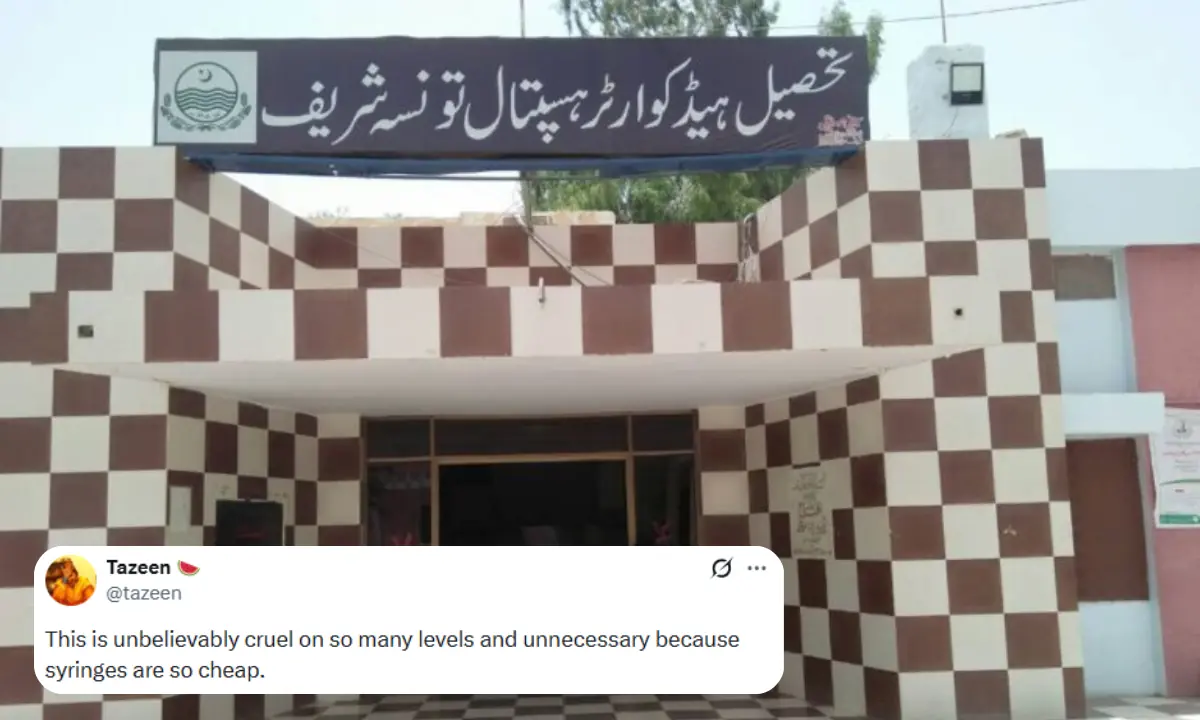
 A shocking report by BBC has triggered nationwide outrage in Pakistan after alleging severe medical malpractice at a Tehsil Headquarter…
 Pakistan’s second National Anti-Polio Campaign of 2026 is continuing across the country with full momentum, as health workers aim to…




- Gold prices in Pakistan continued their upward trend on Monday…8 minutes ago
- The ongoing conflict in the Middle East has disrupted global…20 minutes ago
- Federal Minister for Health Mustafa Kamal has said that Pakistan’s…28 minutes ago
- Tremors were felt in Islamabad and several parts of Khyber…37 minutes ago