Oil prices fell on Tuesday after hitting three-year highs in the previous session. U.S. President Donald Trump suggested the Middle East war could end soon. This eased concerns about prolonged disruptions to global oil supplies.
Brent crude futures dropped $6.51, or 6.6%, to $92.45 per barrel. Meanwhile, U.S. West Texas Intermediate (WTI) crude fell $6.12, or 6.5%, to $88.65 per barrel. Analysts noted the sharp retreat followed Monday’s surge above $100 per barrel.
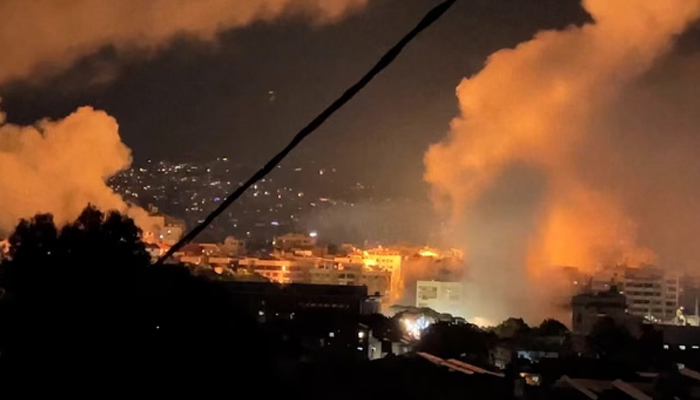
Oil prices spiked on Monday due to supply cuts by Saudi Arabia and other producers. Brent reached $119.50, and WTI hit $119.48 per barrel. Investors feared major disruptions from the expanding U.S.-Israeli war with Iran.
The retreat came after Russian President Vladimir Putin spoke with Trump. Putin proposed measures aimed at quickly settling the Iran conflict, easing supply disruption concerns. Market sentiment shifted as a result.
Read more : Oil Prices Soars Past $100 While Trump Defends Iran War
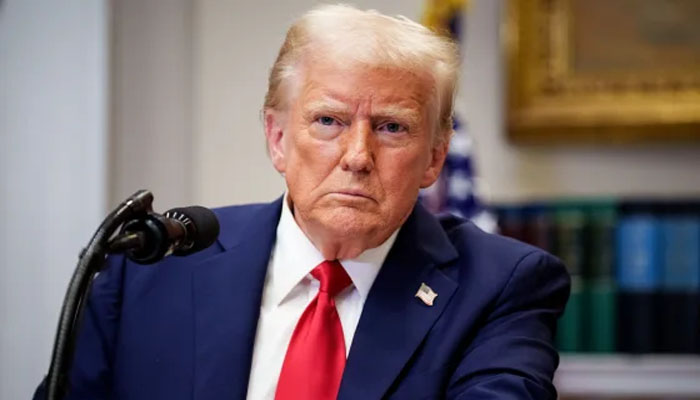
Trump said in a CBS News interview that the war is “very complete” and U.S. forces are ahead of schedule. He also suggested his original four- to five-week timeframe is progressing faster than expected.
Iran’s Revolutionary Guards warned they could block all oil exports if U.S. and Israeli attacks continued. Despite the threat, oil prices continued to fall. Trump also considered easing oil sanctions on Russia and releasing emergency reserves to stabilize prices.
Meanwhile, Gulf producers began reducing output due to regional disruptions. Iraq cut production by 70%, while Kuwait and Saudi Arabia also trimmed supply. G7 nations pledged to consider measures to address rising global oil prices but stopped short of committing to emergency reserve releases.