


Pakistan to end untargeted power subsidies
 Rabbia Zafar
|
6 days ago
Rabbia Zafar
|
6 days ago
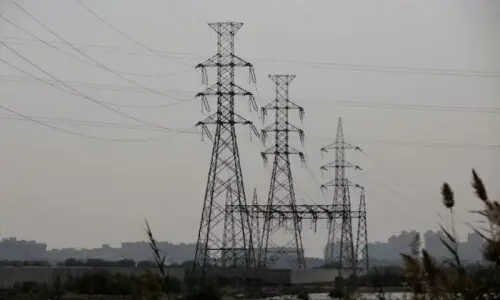
Pakistan’s decision to phase out untargeted residential electricity subsidies from next year marks a major shift in the country’s economic and energy policy. Under an agreement with the International Monetary Fund (IMF), the government plans to replace the existing subsidy system with targeted financial assistance through the Benazir Income Support Programme (BISP).
The current subsidy structure allows households using up to 200 electricity units per month to receive reduced rates. However, authorities say the system has increasingly been abused by consumers who install multiple electricity meters to remain within the subsidised limit. Officials believe this practice has contributed to financial losses and distorted the pricing structure of the power sector.
Economic experts argue that Pakistan can no longer afford broad-based subsidies while facing mounting circular debt, energy inefficiencies and weak revenue recovery. They say the move toward income-based support is intended to ensure that only genuinely deserving households receive financial assistance.
The government also believes that removing untargeted subsidies could ease pressure on industrial electricity tariffs. Industries have long complained that higher commercial power rates, introduced to offset residential subsidies, have damaged competitiveness, exports and employment opportunities.
Despite the economic rationale, the decision is expected to face public criticism. Many lower-middle-income families who do not qualify for BISP assistance are already struggling with inflation, stagnant incomes and rising utility costs. Analysts warn that higher electricity bills could further reduce household purchasing power and force families to cut spending on essential needs.
Public concern has also grown over perceptions of inequality, as influential sectors and some public institutions continue to benefit from subsidised or free electricity. Critics argue that reforms may be difficult to justify unless the government also addresses these longstanding privileges alongside broader energy sector restructuring efforts.
KP CM claims majority of militants in province are foreigners

Tribes urge faster repatriation of Afghan families via Torkham


9 minutes ago

19 minutes ago

30 minutes ago

36 minutes ago
46 minutes ago
56 minutes ago
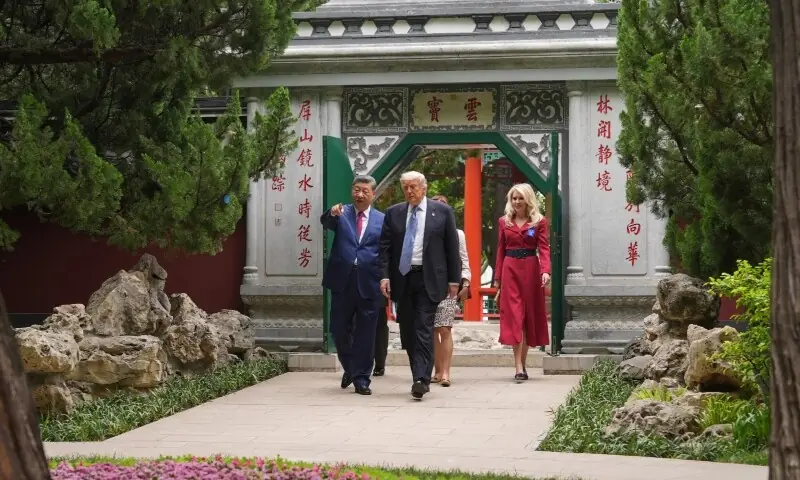
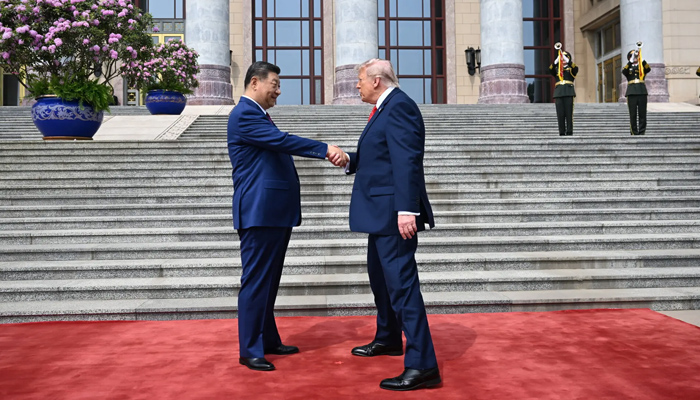
- United States President Donald Trump said he secured “fantastic trade deals” with Chinese leader Xi Jinping during their high-profile summit…
- Israel has threatened legal action against The New York Times over an opinion piece alleging widespread sexual abuse of Palestinian…
- Saudi Arabia has reportedly proposed a regional non-aggression agreement involving Middle Eastern countries and Iran in an effort to ease…
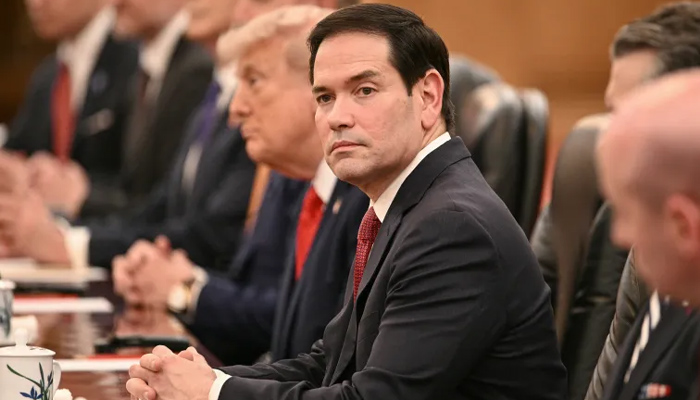
- U.S. Secretary of State Marco Rubio reportedly entered China alongside President Donald Trump despite an existing Chinese ban against him.…
 A major shift in medical terminology has been announced for Polycystic Ovarian Syndrome (PCOS), a common hormonal disorder affecting millions…
 Health authorities are working to contain a potential international spread of hantavirus after new suspected cases emerged across multiple countries,…
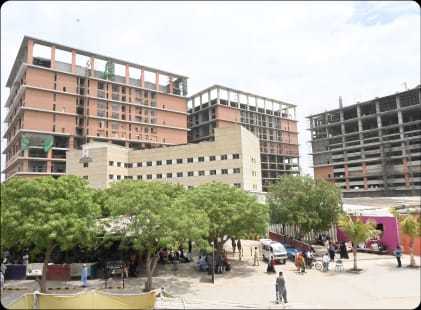
 The Indus Hospital, located in Karachi’s Korangi area, has earned widespread recognition for providing free and quality healthcare services to…
 The Healthcare Devices Association of Pakistan (HDAP) has raised serious concerns over the continued presence of banned reusable syringes in…




- Global oil prices rose more than 1% on Friday after…9 minutes ago
- Khyber Pakhtunkhwa Chief Minister Sohail Afridi has stated that a…19 minutes ago
- A US technology startup has developed a controversial new system…30 minutes ago
- Tribal representatives in Landi Kotal have urged the government to…36 minutes ago