


Pakistan’s per capita GDP shows strong growth
 Web Desk
|
1 year ago
Web Desk
|
1 year ago

Islamabad— Pakistan’s economy has demonstrated impressive resilience and recovery, with the nation’s per capita GDP reaching $1,680 in FY2024. Projections for FY2025 indicate further growth, with per capita income expected to rise to $2,405, reflecting the country’s ongoing economic stabilisation despite numerous challenges.
In a regional comparison, Islamabad’s per capita GDP of $2,996 has surpassed several neighbouring countries, including India, where the national average is $2,106. This marks a significant milestone in Pakistan’s economic trajectory, highlighting the country’s efforts to recover from various external and internal pressures.
Provincial growth and development
Pakistan’s provinces have also shown positive economic progress, with Punjab’s per capita income reaching $1,713.60, which is 2% higher than the national average. This indicates a robust contribution from the province, further solidifying Pakistan’s overall economic health.
Sindh has emerged as another strong performer, with a per capita income of $1,748, further supporting the country’s economic growth narrative. Meanwhile, Khyber Pakhtunkhwa (KPK) and Balochistan, although with lower per capita incomes of $1,388.41 and $1,106, respectively, have also shown steady progress, signalling a broad-based improvement in economic conditions across the country.
Gilgit-Baltistan and Azad Jammu and Kashmir (AJK) recorded per capita incomes of $1,550 and $1,730, respectively, reflecting the government’s efforts to ensure more equitable development across all regions.
Contrast with India’s economic disparities
In contrast, India’s economic landscape reveals significant regional disparities. While southern states report a relatively high per capita income of $3,421, northern regions—particularly those under the influence of Hindutva politics—face stark inequality, with a much lower average of just $813.
India also faces severe socio-economic challenges, with 234 million people living below the poverty line, according to the UNDP and Oxford Poverty and Human Development Initiative. Additionally, youth unemployment in India has surged, rising from 35.2% to an alarming 65.7%, according to the International Labour Organisation.
Pakistan’s economic resilience despite challenges
Despite enduring challenges such as a cumulative $150 billion loss due to foreign-sponsored terrorism over two decades and the economic burden of hosting 4 to 5 million Afghan refugees, Pakistan’s economy continues to demonstrate remarkable resilience. The nation’s commitment to maintaining stability and fostering sustainable growth remains evident, despite ongoing external pressures.
Focus on sustainable and inclusive growth
Looking ahead, Pakistan is committed to achieving inclusive growth with a clear roadmap that prioritises long-term prosperity. The country’s economic policies continue to focus on sustainable development, turning present challenges into opportunities for future generations.







5 hours ago
5 hours ago
5 hours ago
6 hours ago
7 hours ago
8 hours ago
- Iran has formally protested to the United Nations following allegations that the United States seized Iranian-linked vessels in international waters.…
- US President Donald Trump has claimed that King Charles III agrees with the position that Iran should not possess nuclear…
- A recent statement by Sir Christian Turner, the United Kingdom’s ambassador to the United States, has sparked debate over the…
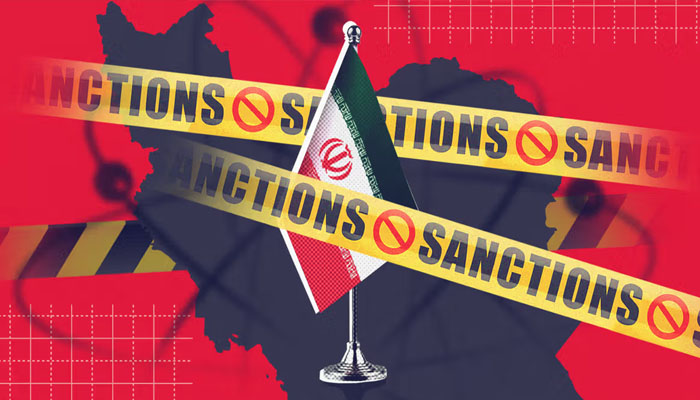
- The United States has imposed sanctions on 35 Iranian entities and individuals, increasing pressure on Iran’s financial network. Officials said…

 Federal health authorities have ordered strict nationwide enforcement of a ban on conventional disposable syringes and initiated a policy review…
 Pakistan’s second national anti-polio campaign of 2026 is continuing across the country, with efforts now in its sixth day as…
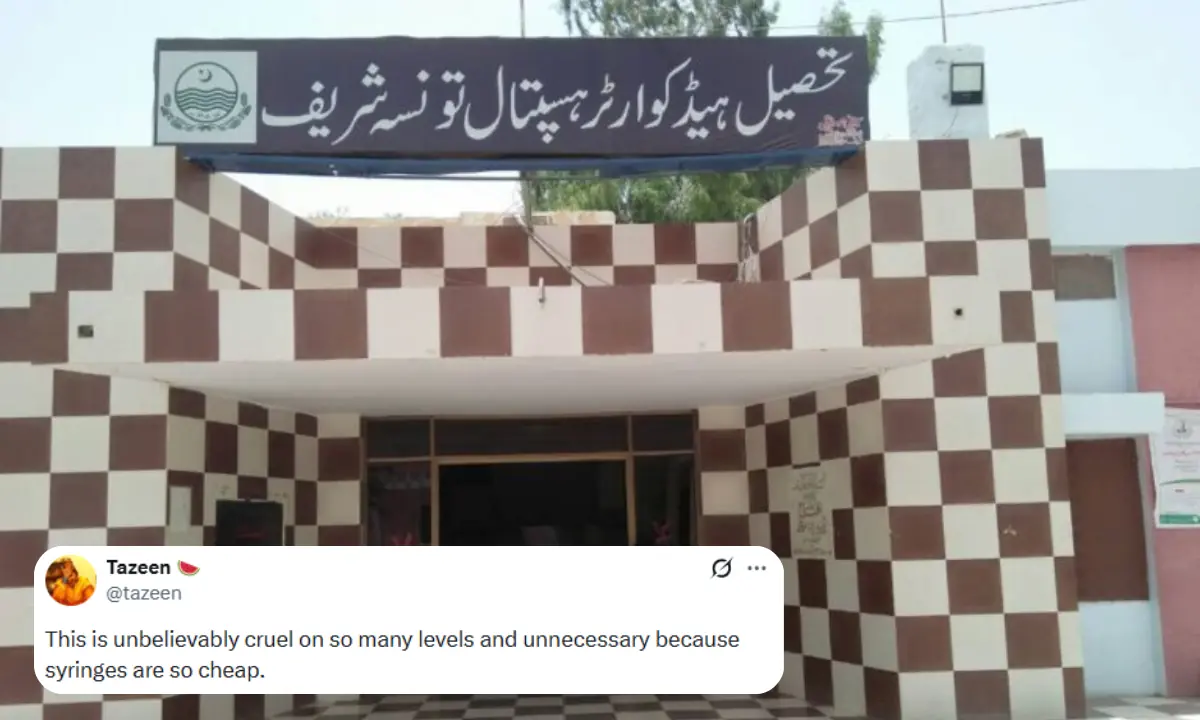
 A shocking report by BBC has triggered nationwide outrage in Pakistan after alleging severe medical malpractice at a Tehsil Headquarter…
 Pakistan’s second National Anti-Polio Campaign of 2026 is continuing across the country with full momentum, as health workers aim to…




- Iran has formally protested to the United Nations following allegations…5 hours ago
- Germany has offered comprehensive support to Pakistan in coaching education…5 hours ago
- In Karachi and across Pakistan, gold prices have recorded a…5 hours ago
- Prime Minister Shehbaz Sharif has stated that ongoing tensions in…6 hours ago