


Punjab launches “Apna Khet Apna Rozgar” scheme for landless farmers
 Rabbia Zafar
|
2 hours ago
Rabbia Zafar
|
2 hours ago

Chief Minister Maryam Nawaz Sharif has formally launched the online portal for the “Apna Khet, Apna Rozgar” scheme aimed at promoting agricultural productivity and rural economic development in Punjab. The initiative is designed to provide agricultural land to landless rural families and support them in becoming self-sufficient through farming.
Under the programme, land worth approximately 160 billion rupees will be allocated to eligible beneficiaries across the province. Officials said that land selection has been carried out based on soil fertility and water availability to ensure productive use of resources.
According to the government plan, 13,812 agricultural lots across various districts of Punjab will benefit around 88,780 families, while in the Cholistan region, 16,685 lots will support more than 101,000 families. Overall, more than 124,000 acres of agricultural land will be distributed under the scheme.
Punjab CM Maryam Nawaz Takes Notice of Rising Crime Rate in Punjab
Each successful applicant will receive agricultural land valued between 2.5 to 4 million rupees for cultivation purposes. In addition, selected farmers will be provided one-time settlement grants ranging from 50,000 to 250,000 rupees per acre to help them begin farming activities.
Senior Member Board of Revenue Nabeel Javed briefed officials on the project, explaining that land allocation will be carried out over a 10-year lease period. The scheme also ensures that land is used strictly for agricultural purposes, with no permission for permanent construction.
Applications will be accepted from May 2 to May 18, while appeals can be filed between June 1 and June 8. Final lists of successful candidates will be issued on June 19, and land distribution will begin on June 30. In cases where multiple applicants compete for a single lot, allocation will be decided through a transparent lottery system.
Agriculture officers and interns will be assigned to each lot, while monitoring committees will conduct biannual inspections to assess farming progress and ensure proper implementation of the scheme.


US intelligence says Iran’s military strength largely intact

Sindh orders crackdown on public transport over expired permits
Pakistan expands electric vehicle push, reports progress on polio eradication
Power supply remains stable during peak hours: Power Division

Pakistan highlights diplomatic efforts in US-Iran tensions talks


50 minutes ago

55 minutes ago

1 hour ago

1 hour ago
1 hour ago

1 hour ago
- US intelligence officials have stated that Iran’s military capabilities remain more intact than publicly suggested by US political leadership, according…
- Iranian President Masoud Pezeshkian said that the Islamic Republic continues to support dialogue and diplomatic engagement, but accused the United…
- The Israeli military said it detained and returned dozens of Israeli civilians who briefly crossed into Syrian territory on Wednesday,…
- Pakistan hosted high-level talks between Iran and the United States in Islamabad following a fragile two-week ceasefire that came after…

- Federal health authorities have ordered strict nationwide enforcement of a ban on conventional disposable syringes and initiated a policy review…
 Pakistan’s second national anti-polio campaign of 2026 is continuing across the country, with efforts now in its sixth day as…
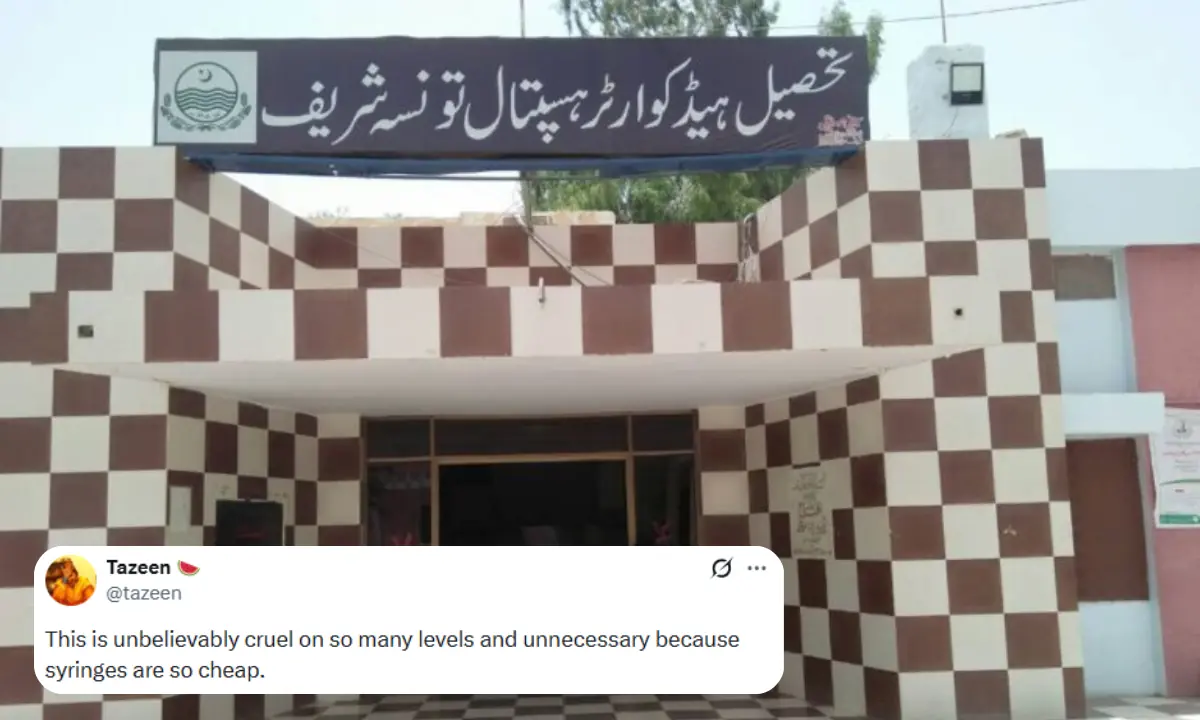
- A shocking report by BBC has triggered nationwide outrage in Pakistan after alleging severe medical malpractice at a Tehsil Headquarter…
 Pakistan’s second National Anti-Polio Campaign of 2026 is continuing across the country with full momentum, as health workers aim to…



- Federal health authorities have ordered strict nationwide enforcement of a…50 minutes ago
- US intelligence officials have stated that Iran’s military capabilities remain…55 minutes ago
- The Sindh government on Thursday announced a province-wide crackdown on…1 hour ago
- Prime Minister Shehbaz Sharif on Wednesday chaired a high-level meeting…1 hour ago