


Pakistan expands electric vehicle push, reports progress on polio eradication
 Rabbia Zafar
|
3 weeks ago
Rabbia Zafar
|
3 weeks ago
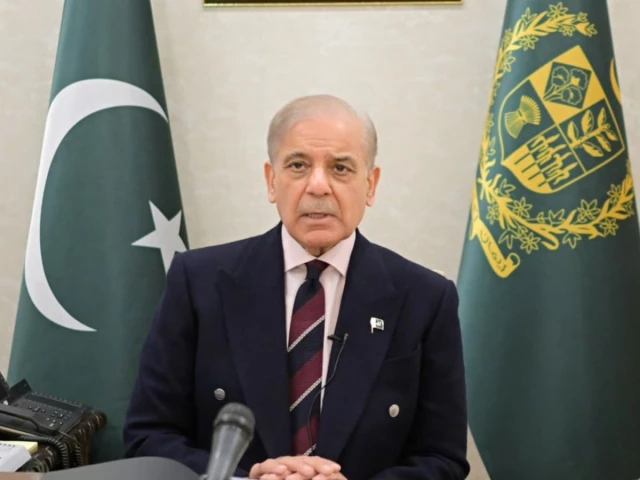
Prime Minister Shehbaz Sharif on Wednesday chaired a high-level meeting focused on promoting electric vehicles (EVs) in Pakistan, alongside a separate review session on the country’s polio eradication efforts, highlighting two key policy priorities of the government.
During the EV meeting, the prime minister announced that government employees from Basic Pay Scale (BPS) 1 to 16 will be provided electric bikes on easy installment plans to encourage adoption of clean transport. Officials briefed the meeting that Pakistan aims to shift 30% of its vehicle fleet to electric power within the next five years, a transition expected to save approximately $4.5 billion in fuel imports.
The government is also accelerating infrastructure development for EVs. So far, 72 manufacturing certifications have been issued for electric motorcycles and rickshaws, along with four certifications for electric cars. In addition, 123 applications have been received for establishing electric vehicle charging stations across the country.
The prime minister directed authorities to speed up implementation of all ongoing EV-related initiatives to support cleaner energy and reduce dependency on imported fuel.
In a separate meeting, Prime Minister Shehbaz Sharif reaffirmed the government’s commitment to eradicating polio from Pakistan, calling it a national priority. Officials reported encouraging progress, with only one polio case recorded in 2026 so far, compared to 74 cases in 2024 and 31 in 2025, reflecting a steady decline.
No new cases have been reported this year from Punjab, Khyber Pakhtunkhwa, Balochistan, Islamabad, Gilgit-Baltistan, or Azad Jammu and Kashmir. The number of affected districts has also dropped significantly, while national vaccination coverage remains at 98%.
Authorities noted improvements in high-risk regions, including reduced virus detection in environmental samples in Karachi and a sharp decline in affected areas in Bannu. The government is also working to integrate immunization programmes with social protection initiatives to strengthen outreach and improve vaccination coverage.
Finance Ministry denies reports of Dar taking over budget process

Israeli settlers storm Al-Aqsa Mosque compound in Jerusalem
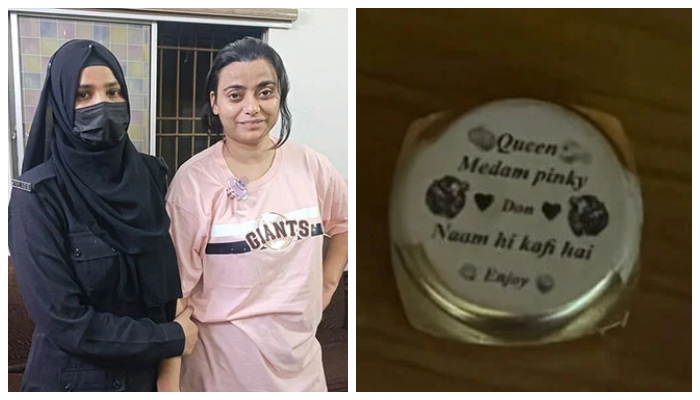
Drug suspect Pinky claims police took bribes during investigation
Ahsan Iqbal vows greater economic empowerment for women
Pakistan launches probe into Cambridge exam paper leaks amid student concerns
USourt blocks sanctions on un palestine rights expert francesca albanese
ppp leader warns political system cannot function without party



3 hours ago

3 hours ago

3 hours ago

3 hours ago

3 hours ago
4 hours ago
- Dozens of Israeli settlers entered the Al-Aqsa Mosque compound in occupied East Jerusalem on Thursday under the protection of Israeli…
- A United States federal judge has issued a temporary injunction blocking sanctions imposed by Washington on United Nations Special Rapporteur…
 A report cited by an international research organisation has raised concerns over the treatment of religious minorities in India and…
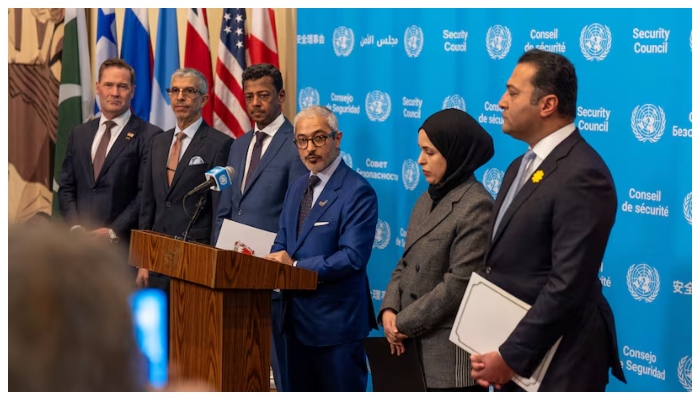
- Six Arab countries have jointly urged United Nations to press Iran to withdraw what they described as unilateral regulations imposed…
 A major shift in medical terminology has been announced for Polycystic Ovarian Syndrome (PCOS), a common hormonal disorder affecting millions…
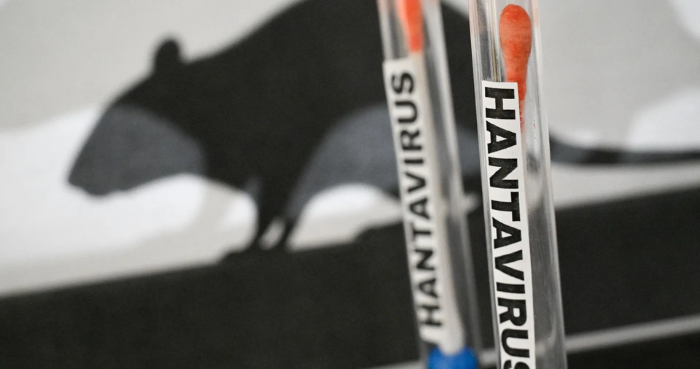
 Health authorities are working to contain a potential international spread of hantavirus after new suspected cases emerged across multiple countries,…
 The Indus Hospital, located in Karachi’s Korangi area, has earned widespread recognition for providing free and quality healthcare services to…
- The Healthcare Devices Association of Pakistan (HDAP) has raised serious concerns over the continued presence of banned reusable syringes in…



- Pakistan’s Ministry of Finance has rejected media reports claiming that…3 hours ago
- Dozens of Israeli settlers entered the Al-Aqsa Mosque compound in…3 hours ago
- A woman arrested on drug trafficking charges in Karachi, identified…3 hours ago
- Federal Minister for Planning Ahsan Iqbal has said that empowering…3 hours ago