


Sindh Takes U-Turn on 45 Percent Tax on Agricultural Income
 Web Desk
|
8 months ago
Web Desk
|
8 months ago

The Sindh government has taken a U-turn on 45 percent tax on agricultural income, postponing the implementation of new tax rates for one year. The provincial government has restored the previous maximum rate of 15 percent, allowing farmers to continue paying taxes under the old structure for now.
According to officials, the new rates could not be implemented from January 1, 2025, as planned. As a result, the agricultural sector — which contributes nearly one-fourth to Pakistan’s economy — will continue to pay only a small amount of tax, while the salaried class paid Rs. 575 billion in income tax during the fiscal year 2024–25.
Also Read: Pakistan Faces Possible Gas Price Increase Soon
Sindh Governor Kamran Tessori issued the “Sindh Agriculture Income Tax (Amendment) Ordinance 2025,” which suspends the IMF-agreed tax rates for one year. The move follows the Punjab government’s similar decision last month to delay new agricultural tax rates through an official notification.
Under the new ordinance, the same old rates under the 2000 law will remain effective from January 1 to June 30, 2025. Farmers earning up to Rs. 1.2 million annually will pay no tax, while income of Rs. 2.4 million will be taxed at 5 percent, Rs. 4.8 million at 10 percent, and above Rs. 4.8 million at 15 percent. Critics, however, argue that giving the government the power to change tax rates through notifications limits the authority of the provincial assembly.
Read More: NEPRA Fines Government Electricity Distribution Companies
No official clarification has yet been issued regarding IMF and World Bank approval of this decision. Authorities said provincial governments are in contact with both institutions to address policy concerns. For now, the Sindh government has effectively taken a U-turn on 45 percent tax on agricultural income to ease the pressure on the farming community.



AI museum recreates Amazon rainforest experience in Los Angeles

Sindh unveils Rs3.65 trillion budget with major PPP-led development push





4 hours ago
4 hours ago

4 hours ago

5 hours ago

6 hours ago
6 hours ago
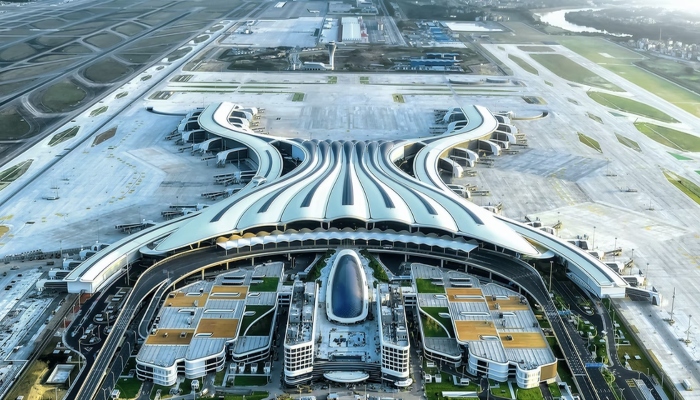
- The title of the world’s most beautiful airport has been awarded to China’s Guangzhou Baiyun International Airport Terminal 3. According…
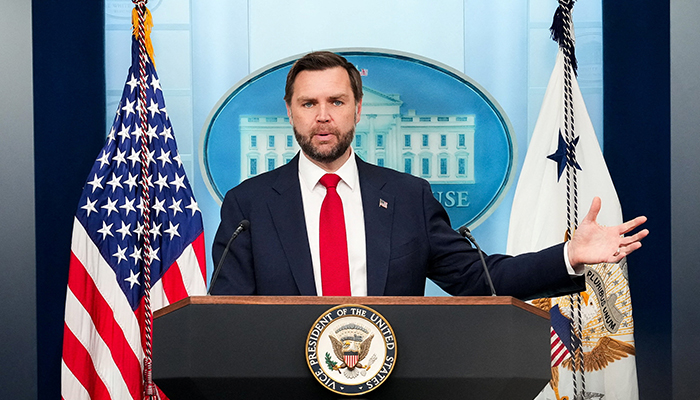
- US Vice President JD Vance has said that the agreement reached with Iran could play a significant role in promoting…
- US President Donald Trump has said that the United States is committed to peace and expects a complete ceasefire across…
- Ukraine carried out a large-scale drone attack on the Russian capital Moscow on Thursday, reportedly launching hundreds of drones and…


 Karachi is witnessing a worrying surge in congenital heart diseases among newborns, with medical experts warning that thousands of children…
 Pakistan now has the highest diabetes rate in the world, according to the latest IDF report. The report shows that…
- South Africa, Eswatini, and Zambia have begun administering lenacapavir, a groundbreaking HIV-prevention injection, marking a major milestone in the fight…
 KARACHI: The Sindh High Court’s Constitutional Bench was informed on Monday that all milk samples collected in Karachi are harmful…





- Residents and visitors in the hill station of Murree have…4 hours ago
- Pakistan’s national space agency, SUPARCO, has issued an El Nino…4 hours ago
- A new immersive art museum in Los Angeles is offering…4 hours ago
- The Pakistan Stock Exchange (PSX) witnessed a sharp reversal…5 hours ago