


South Korea opposes Iran plan for Hormuz shipping fees
 Rabbia Zafar
|
1 hour ago
Rabbia Zafar
|
1 hour ago

South Korea’s Oceans Minister Hwang Jong-woo has opposed Iran’s reported proposal to impose fees on vessels passing through the Strait of Hormuz, calling the move a violation of international law.
Speaking at a news conference in the southeastern port city of Busan, Hwang said the Strait of Hormuz is an international shipping route where freedom of navigation must be protected. According to South Korean media reports, he warned that charging tolls for passage through the waterway would effectively amount to restricting access to one of the world’s most critical energy transit corridors.
Hwang noted that unlike the man-made Suez Canal, the Strait of Hormuz consists of international waters governed by international maritime agreements. He stressed that no country should unilaterally impose restrictions or fees on vessels using the route.
PML-N, Jamaat-e-Islami form electoral alliance in Gilgit-Baltistan
The comments came after Iranian lawmaker Ebrahim Azizi said a proposal regarding the “smart management” of the strait had reached its final review stage in parliament. Iranian officials have indicated that the plan seeks to use Tehran’s geographic position in the strategic waterway as leverage amid ongoing regional tensions.
South Korea also confirmed that it has temporarily rerouted some oil tankers through the Red Sea due to uncertainty surrounding the Strait of Hormuz. Officials said four South Korean vessels have safely returned using alternative routes, while 26 Korean ships carrying 158 sailors remain stranded near the strait.
Regional tensions have intensified since military clashes involving the United States, Israel, and Iran disrupted shipping in the Gulf region earlier this year. The Strait of Hormuz is considered one of the world’s most important maritime chokepoints, with a significant share of global oil and gas shipments passing through it daily.
Analysts warn that any prolonged disruption or restrictions in the waterway could impact global energy supplies, shipping costs, and international trade flows.



FIA suspends officer after Sarafa Bazaar raid controversy
South Korea opposes Iran plan for Hormuz shipping fees

Man killed in shark attack near Australian island

Uzbekistan praises Pakistan’s Middle East peace efforts

PML-N, Jamaat-e-Islami form electoral alliance in Gilgit-Baltistan



42 minutes ago

58 minutes ago

1 hour ago

1 hour ago
1 hour ago

1 hour ago
- Taiwan’s government on Saturday defended continued arms purchases from the United States, saying the weapons sales are backed by American…
- South Korea’s Oceans Minister Hwang Jong-woo has opposed Iran’s reported proposal to impose fees on vessels passing through the Strait…
- A 38-year-old man was killed in a shark attack near Rottnest Island in Western Australia on Saturday, according to local…
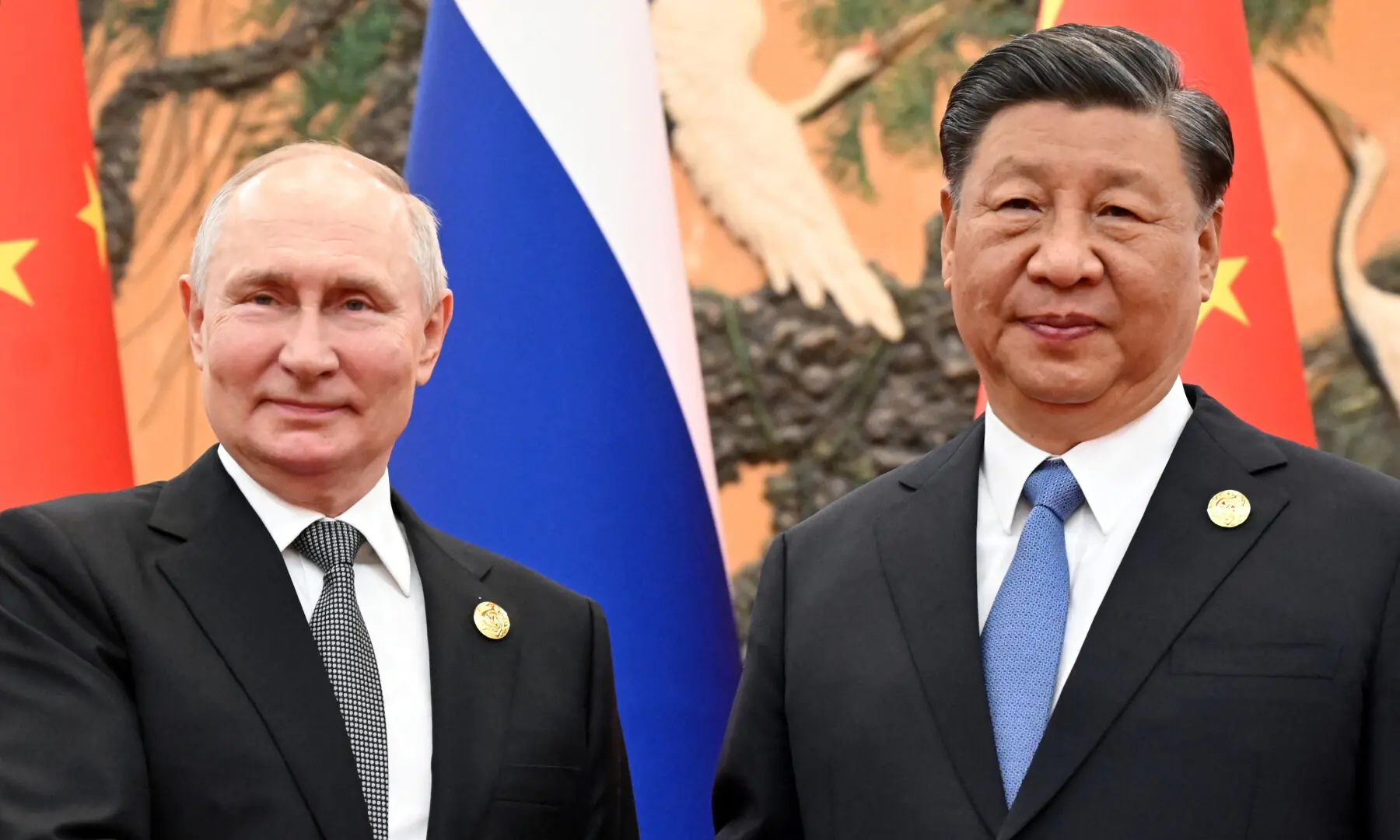
 Russian President Vladimir Putin will visit China on May 19 for a two-day trip aimed at strengthening strategic and economic…
 A major shift in medical terminology has been announced for Polycystic Ovarian Syndrome (PCOS), a common hormonal disorder affecting millions…
 Health authorities are working to contain a potential international spread of hantavirus after new suspected cases emerged across multiple countries,…
 The Indus Hospital, located in Karachi’s Korangi area, has earned widespread recognition for providing free and quality healthcare services to…
- The Healthcare Devices Association of Pakistan (HDAP) has raised serious concerns over the continued presence of banned reusable syringes in…





- Taiwan’s government on Saturday defended continued arms purchases from the…42 minutes ago
- Fresh developments have emerged in the case involving alleged drug…58 minutes ago
- The Federal Investigation Agency has suspended an officer following allegations…1 hour ago
- South Korea’s Oceans Minister Hwang Jong-woo has opposed Iran’s reported…1 hour ago