


Trump criticises NATO allies over Iran stance
 Web Desk
|
2 hours ago
Web Desk
|
2 hours ago
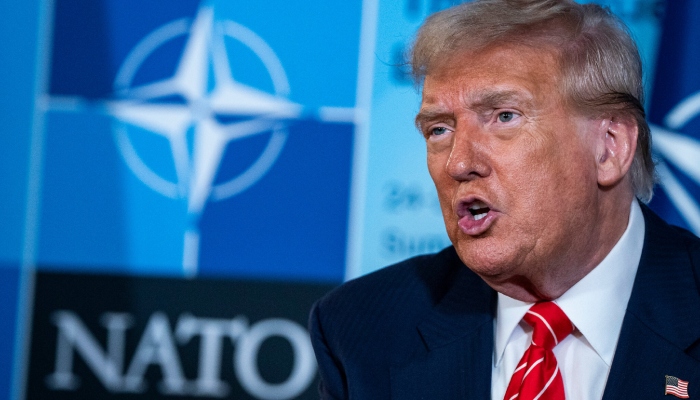
US President Donald Trump has sharply criticised NATO allies, particularly Italy, over their response to Iran and what he described as a lack of commitment to addressing regional security challenges.
Speaking on the issue of Iran’s nuclear programme and growing tensions in the Middle East, Trump said the United States has spent trillions of dollars over the years to support NATO and ensure the security of allied nations. However, he argued that several member states have not shown the same level of commitment when faced with major international crises.
The US president specifically mentioned Italy, saying that the country and its leadership appeared unwilling to participate in any significant action regarding what he called the serious threat posed by Iran’s nuclear ambitions. According to Trump, global security cannot depend solely on the United States, and NATO members must take greater responsibility for collective defence and international stability.
National Assembly Approves 88 Demands for Grants Worth Over Rs43.85 Trillion
Trump stressed that America has long played a leading role in protecting its allies and responding to global challenges. He said it was disappointing to see some partner nations remain on the sidelines during critical moments, despite benefiting from decades of US support and military cooperation.
The remarks come amid ongoing international discussions about Iran’s nuclear programme, regional security concerns and the future direction of Western alliances. Analysts believe Trump’s comments reflect growing frustration within parts of the US administration regarding burden-sharing among NATO members.
Political observers note that the statement could further highlight policy differences between Washington and some European capitals. It may also reignite debate over defence spending and the responsibilities of NATO countries in addressing emerging global threats.
While Trump did not outline any specific policy changes, his criticism underscores continuing tensions over how allies should respond to security challenges involving Iran and broader instability in the Middle East.
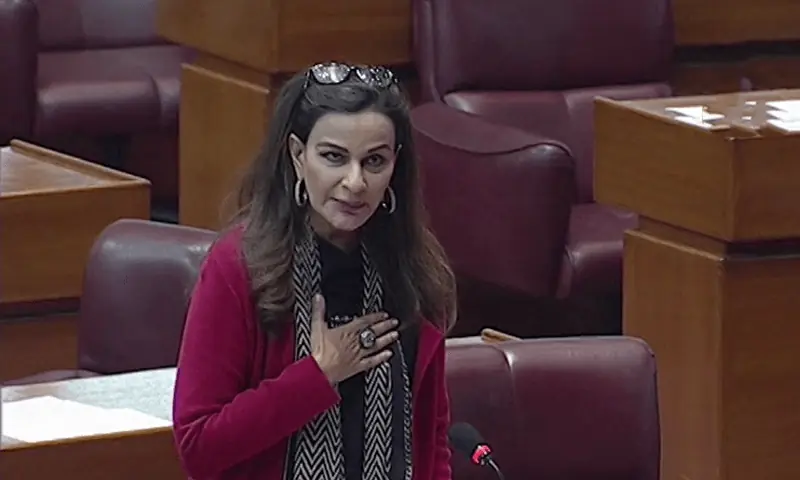
PPP says telecom amendment bill must be fully reviewed before Senate approval
Anti-terror court sentences facilitator linked to banned groups to 14 years in prison
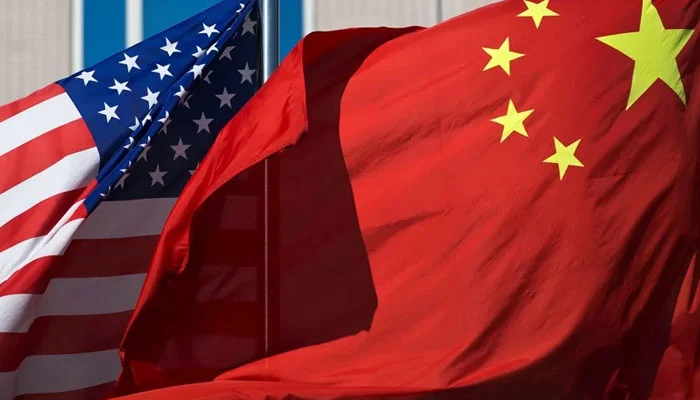
China imposes export restrictions on 10 US defence firms in retaliation move
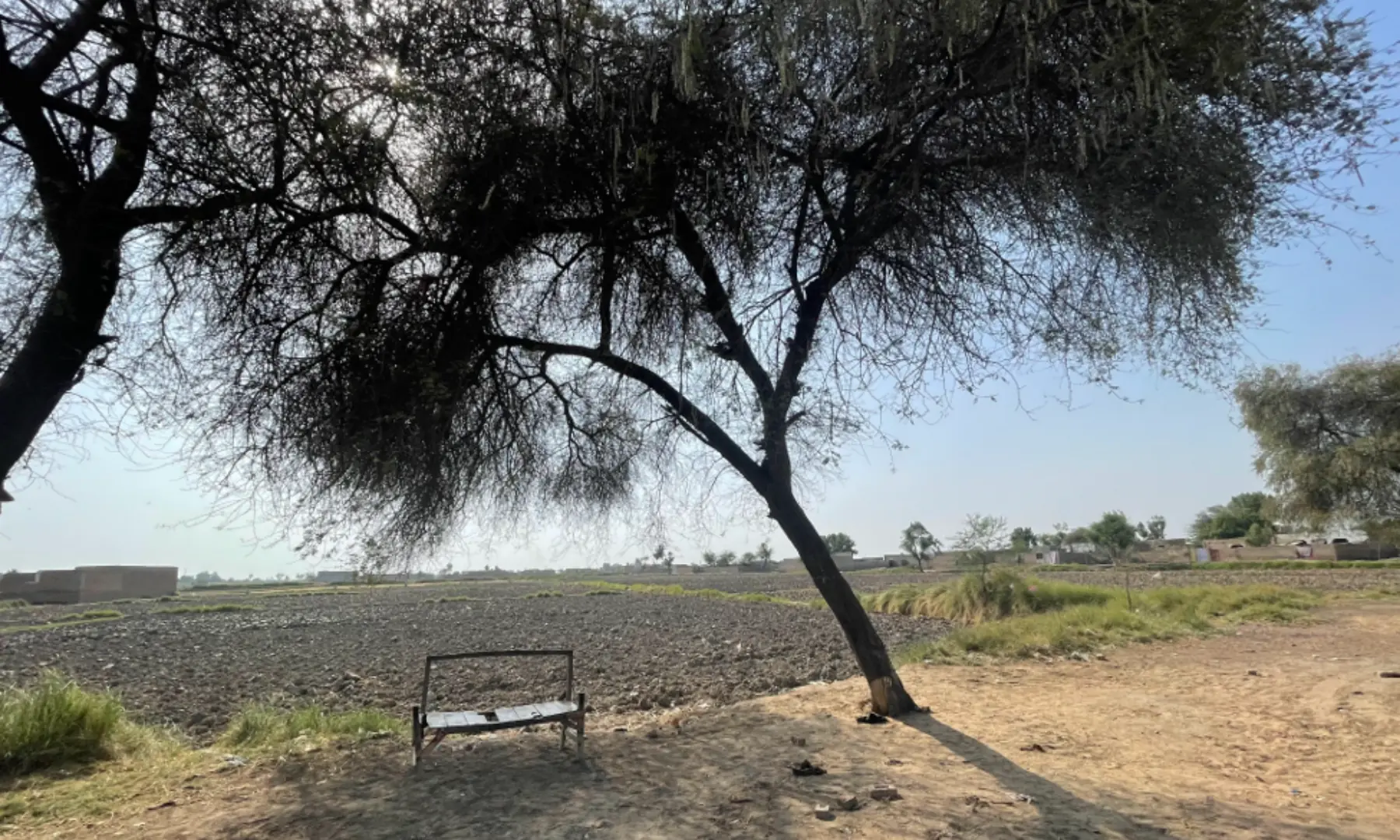
Jacobabad residents battle life-threatening heat amid prolonged power outages
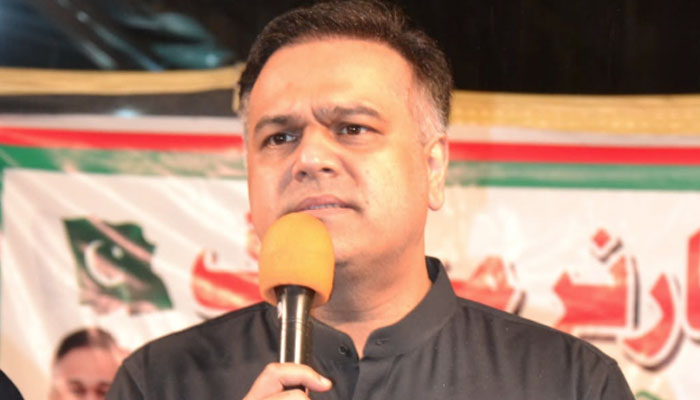
MQM criticises PPP over Karachi water and transport projects in Sindh Assembly
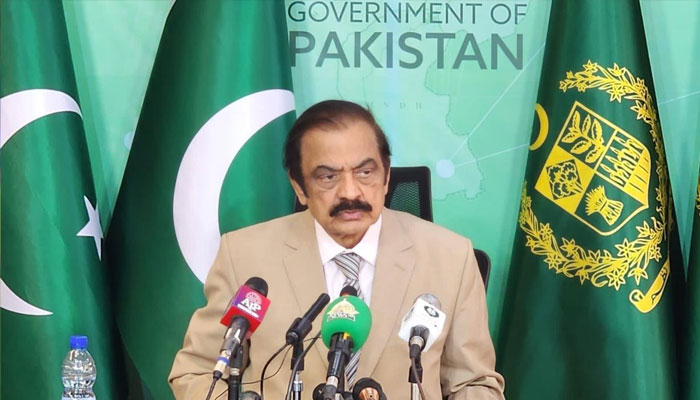
Rana Sanaullah says Pakistan’s diplomacy helped avert wider conflict

Illegal kidney transplant racket busted at private hospital in Kasur


17 minutes ago

43 minutes ago

48 minutes ago

51 minutes ago
59 minutes ago
1 hour ago
- US Vice President JD Vance has outlined the conditions under which Washington would seek to establish a new chapter in…
- Israeli Prime Minister Benjamin Netanyahu has announced that Israeli forces will continue to maintain control of a security zone in…
- Washington: A U.S. diplomat has said that recent talks with Iran in Switzerland resulted in an agreement on a framework…
- U.S. President Donald Trump has claimed that British Prime Minister Keir Starmer could soon step down from office. The remarks…
 Karachi is witnessing a worrying surge in congenital heart diseases among newborns, with medical experts warning that thousands of children…
 Pakistan now has the highest diabetes rate in the world, according to the latest IDF report. The report shows that…
 South Africa, Eswatini, and Zambia have begun administering lenacapavir, a groundbreaking HIV-prevention injection, marking a major milestone in the fight…
- KARACHI: The Sindh High Court’s Constitutional Bench was informed on Monday that all milk samples collected in Karachi are harmful…




- Pakistan Peoples Party (PPP) has said it will not support…17 minutes ago
- An Anti-Terrorism Court has sentenced a man identified as Sajad…43 minutes ago
- China has announced export restrictions on 10 US military-related companies,…48 minutes ago
- In Pakistan’s Jacobabad often described as one of the hottest…51 minutes ago