


PPP Leadership Directs Focus on Large Development Projects, Says Murad Ali Shah
 Web Desk
|
3 hours ago
Web Desk
|
3 hours ago
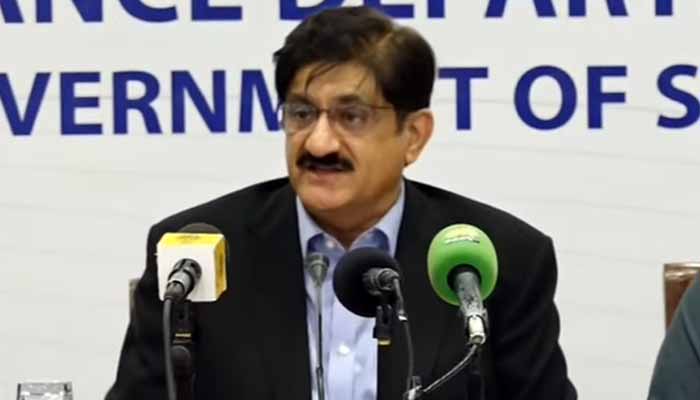
Karachi: Sindh Chief Minister Murad Ali Shah has said that the Pakistan Peoples Party (PPP) leadership has directed the government to move beyond small-scale initiatives and focus on large development projects. He expressed confidence that these projects would play a key role in improving infrastructure, public services, and economic growth in the coming years.
Speaking at a post-budget press conference in Karachi, Murad Ali Shah said that salaries and pensions remain the largest component of the provincial government’s expenditures. He announced a 7 percent increase in salaries and pensions and said that the ad-hoc relief allowances of 2023 and 2025 had been merged into the basic pay scale. He also stated that the minimum monthly income would be increased to Rs43,000 in the next fiscal year.
The chief minister said that Rs26.2 billion would be provided as a grant to SIUT, while local governments would receive grants worth Rs155 billion. He added that the Sindh government plans to complete 2,056 ongoing development schemes next year, although no new projects have been included in the current budget.
Also Read: PPP and PML-N Reach Agreement on Government Formation in Gilgit-Baltistan
Murad Ali Shah said that President Asif Ali Zardari and PPP Chairman Bilawal Bhutto Zardari had instructed party leaders to think bigger and prioritize major development initiatives. He expressed hope that the party’s planning and vision would bring significant improvements over the next two years and benefit the people of Sindh.
Commenting on federal-provincial financial matters, he said PPP rejected proposals to revise the NFC Award formula because they were considered unconstitutional. He added that all provinces had cooperated with the federal government for national defense and unity by providing grants under Article 164 of the Constitution. According to Murad Ali Shah, a stronger focus on large development projects will help drive long-term progress and economic stability in Sindh.
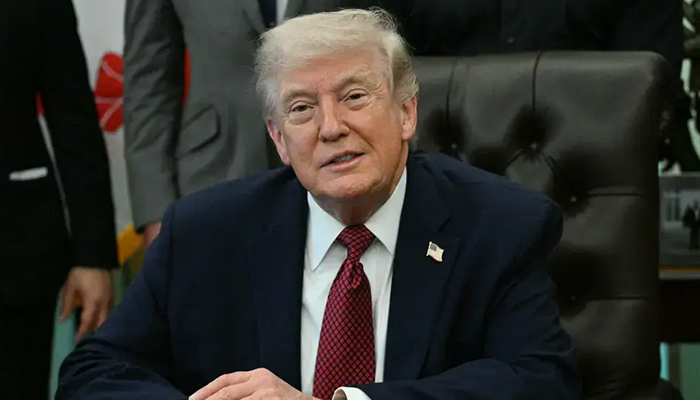
Trump Says U.S. Committed to Peace, Calls for Ceasefire Across Lebanon, Hezbollah and Israel Fronts
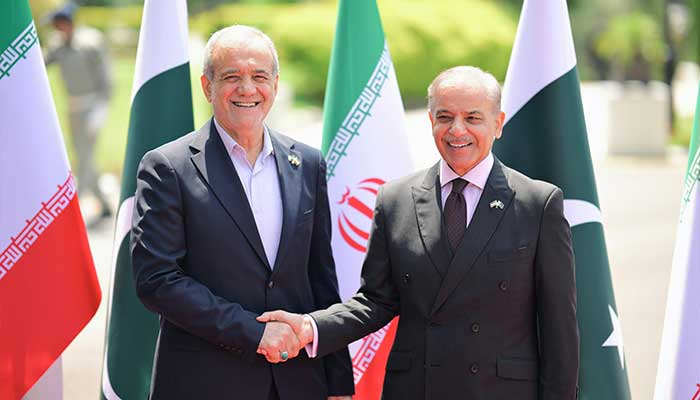
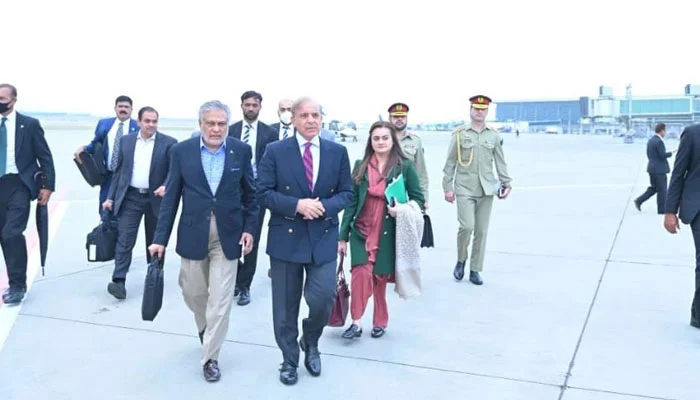
Shehbaz Sharif Congratulates Iranian President on Historic Peace Agreement During Phone Call

19 minutes ago
38 minutes ago
2 hours ago
2 hours ago
3 hours ago
4 hours ago
- US President Donald Trump has said that the United States is committed to peace and expects a complete ceasefire across…
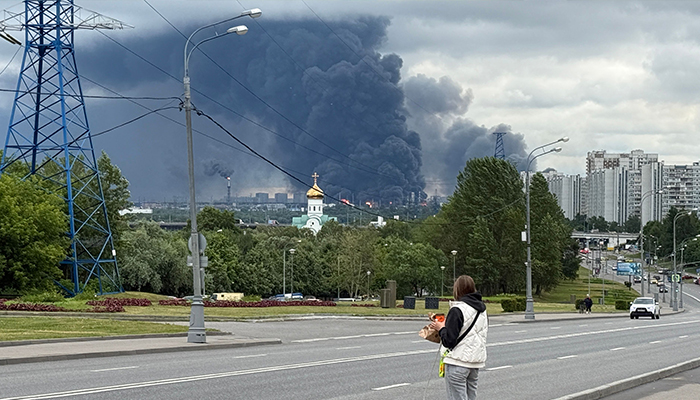
- Ukraine carried out a large-scale drone attack on the Russian capital Moscow on Thursday, reportedly launching hundreds of drones and…
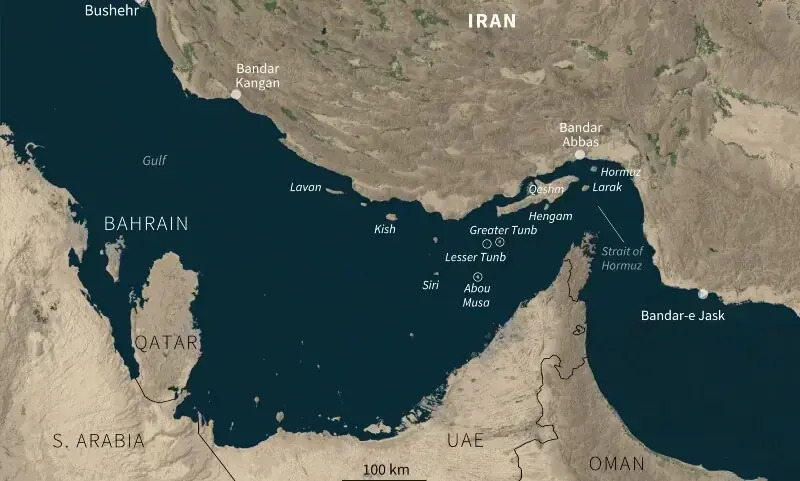
 Iran has announced that a Strait of Hormuz management system will be developed jointly with Oman to oversee maritime activities…
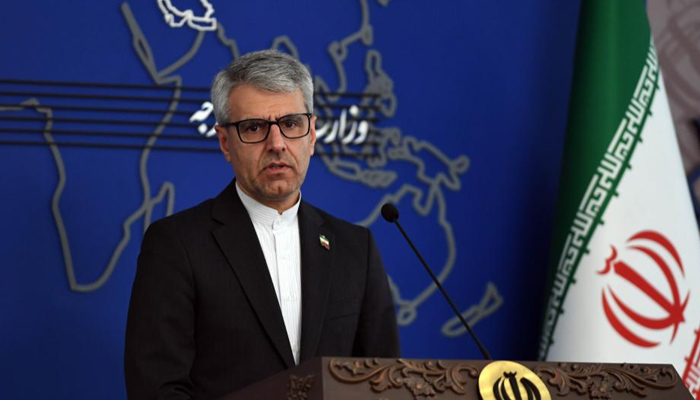
- The final version of the US-Iran Memorandum of Understanding has been agreed upon, according to Iran’s Foreign Ministry spokesperson Esmaeil…
 Karachi is witnessing a worrying surge in congenital heart diseases among newborns, with medical experts warning that thousands of children…
 Pakistan now has the highest diabetes rate in the world, according to the latest IDF report. The report shows that…
 South Africa, Eswatini, and Zambia have begun administering lenacapavir, a groundbreaking HIV-prevention injection, marking a major milestone in the fight…
 KARACHI: The Sindh High Court’s Constitutional Bench was informed on Monday that all milk samples collected in Karachi are harmful…




- US President Donald Trump has said that the United States…19 minutes ago
- Ukraine carried out a large-scale drone attack on the Russian…38 minutes ago
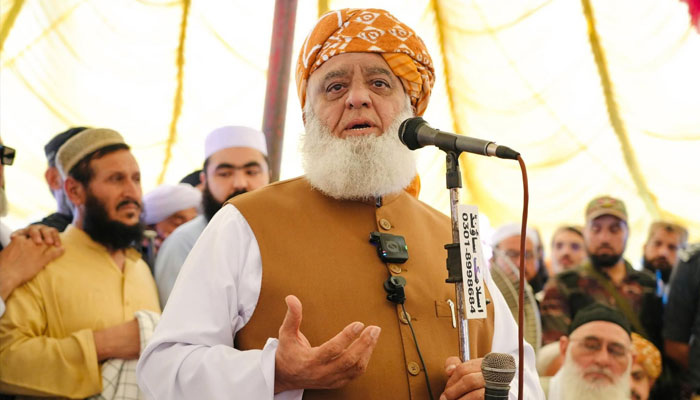
- Jamiat Ulema-e-Islam (JUI) chief Maulana Fazlur Rehman has said that…2 hours ago
- The Motorway Police has launched a nationwide fire safety awareness…2 hours ago