


Iran warns tensions will continue over US naval blockade
 Rabbia Zafar
|
2 days ago
Rabbia Zafar
|
2 days ago
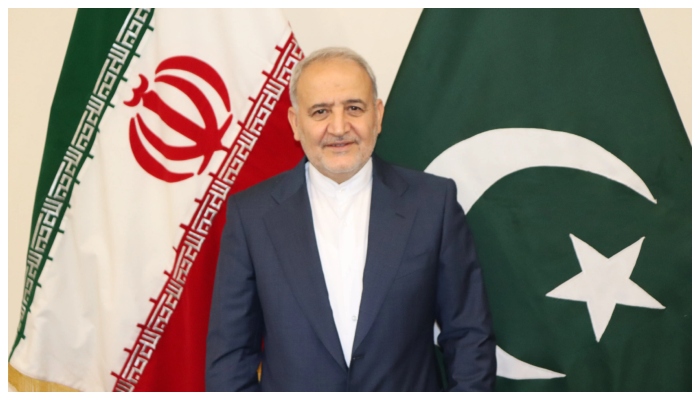
Iran’s ambassador to Pakistan, Reza Amiri Moghadam, has strongly criticised what he described as an ongoing “illegal naval blockade” imposed by the United States, saying such measures cannot force Iran to accept “irrational demands.” In a statement shared on social media platform X, he said that threats of force and war crimes cannot compel any nation to submit to external pressure.
He added that countries claiming to support diplomacy must demonstrate their commitment through practical actions rather than rhetoric. According to him, verbal statements alone cannot resolve conflicts or change realities on the ground.
The Iranian envoy further warned that as long as restrictions on Iranian maritime movement continue, regional tensions will persist. He stressed that Iran will continue to defend its rights within the framework of international law and will not accept any form of coercion or pressure.
Pakistan’s electric bike shift could solve fuel crisis for millions
His remarks come amid rising tensions following reports that the United States seized an Iranian vessel, an action confirmed by US Central Command, which stated that the ship is now in American custody. Earlier, former US President Donald Trump said the operation was carried out because the vessel allegedly violated a blockade in the Strait of Hormuz and attempted to move despite restrictions.
The situation has already drawn concern from international observers, who warn that escalating maritime tensions in the Gulf could disrupt global energy flows. The Strait of Hormuz remains one of the world’s most critical shipping routes, handling a significant share of global oil transportation.
Analysts believe that continued confrontation between Iran and the United States could further destabilise the region, potentially impacting global oil prices and international trade routes. They also caution that any disruption in maritime traffic through the Strait could have immediate effects on energy markets worldwide, adding to existing volatility in crude oil supplies.
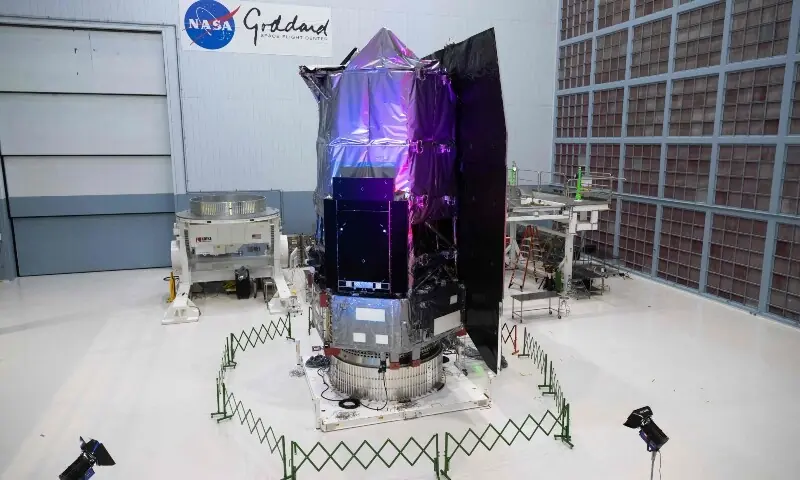
NASA unveils powerful Roman telescope for deep space exploration
Pakistan freelancers drive surge in IT export earnings

PSX remains volatile as investors await Iran US talks outcome

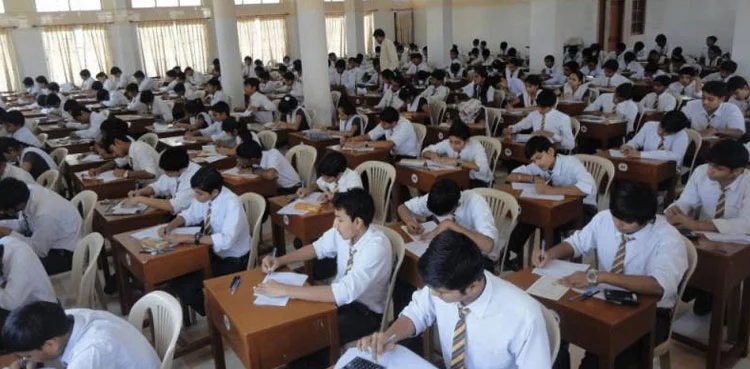
Sindh suspends board officials amid cheating and exam leak probe in Karachi

Oil prices surge nearly 5% as Iran tensions shake global markets
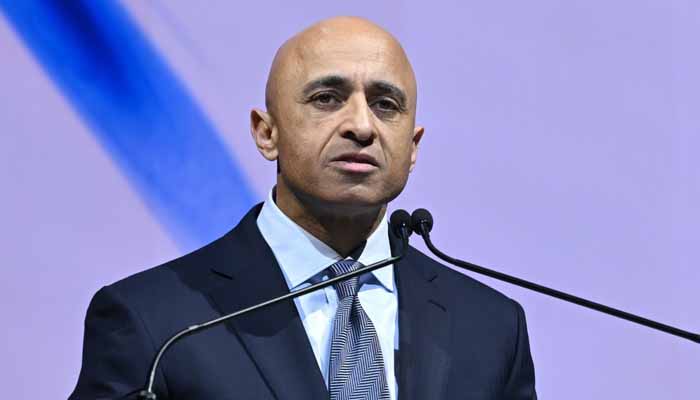
UAE envoy says country does not need external financial support



18 minutes ago

2 hours ago

2 hours ago
2 hours ago
2 hours ago

2 hours ago
- The NASA has unveiled its latest space observatory, the Nancy Grace Roman Space Telescope, designed to explore distant planets and…
- The United Arab Emirates’ ambassador to the United States, Yousef Al Otaiba, has stated that the UAE does not require…
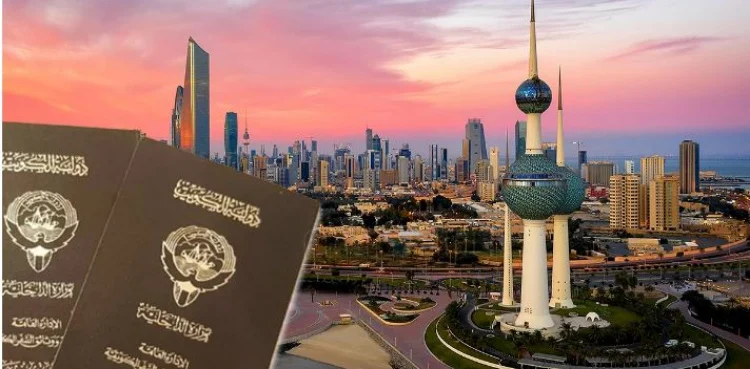
- Kuwait has issued two new government decisions revoking citizenship from 172 individuals as part of an ongoing national review of…
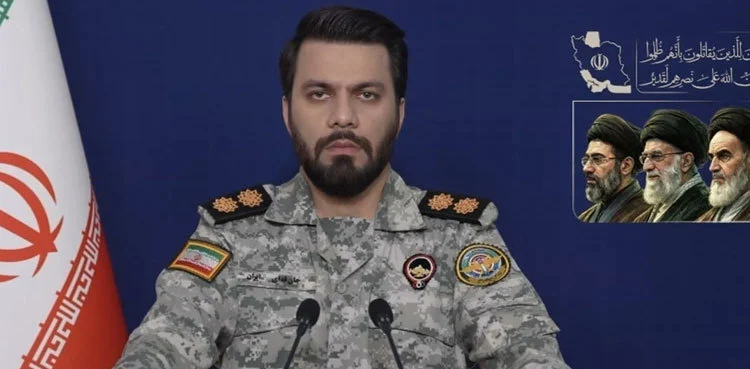
- Iran’s military has issued a strong warning to the United States and Israel, stating that any act of aggression against…
 Pakistan’s second national anti-polio campaign of 2026 is continuing across the country, with efforts now in its sixth day as…
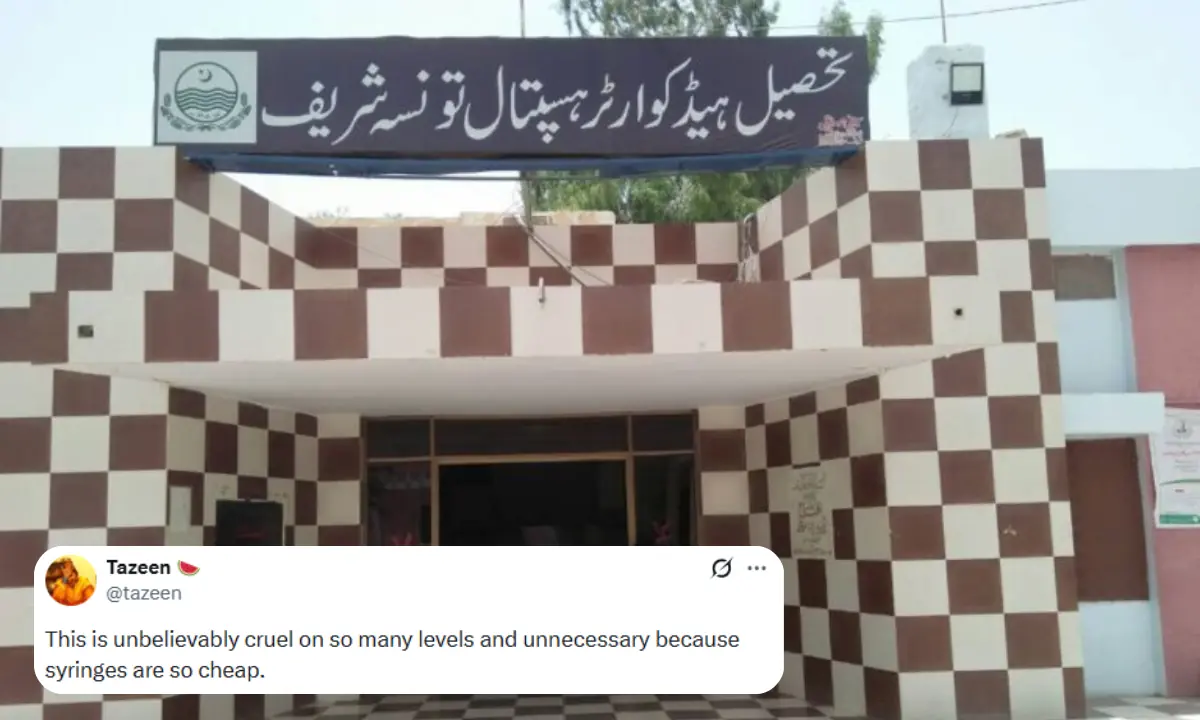
 A shocking report by BBC has triggered nationwide outrage in Pakistan after alleging severe medical malpractice at a Tehsil Headquarter…
 Pakistan’s second National Anti-Polio Campaign of 2026 is continuing across the country with full momentum, as health workers aim to…
 A new case of monkeypox has been reported in Karachi, raising fresh concerns among health authorities in the city. According…





- Prime Minister Shehbaz Sharif has directed authorities to accelerate efforts…18 minutes ago
- The NASA has unveiled its latest space observatory, the Nancy…2 hours ago
- Pakistan’s information technology sector continues to show steady growth, with…2 hours ago
- The Pakistan Stock Exchange (PSX) showed a fragile and directionless…2 hours ago