


ADB flags delay in IMF deal over discrepancies
 Rabbia Zafar
|
6 days ago
Rabbia Zafar
|
6 days ago
The Asian Development Bank has said that Pakistan’s agreement with the International Monetary Fund for a $1 billion tranche was delayed due to fiscal discrepancies, a claim the government has disputed, calling them “statistical differences.”
In its latest Asian Development Outlook report, the ADB noted that uncertainty surrounding the delay in reaching a staff-level agreement impacted Pakistan’s financial markets, contributing to rising risk premiums and equity losses. The lender projected Pakistan’s economic growth at 3.5% for the current fiscal year, slightly below official expectations.
The finance ministry rejected the characterization of discrepancies as a major issue, stating that the reported Rs413 billion gap reflected differences between civil and cash accounting methods and had already been shared with the IMF as a routine statistical matter.
ADB projects gradual economic recovery for Pakistan amid risks
Pakistan eventually reached the staff-level agreement with the IMF after a delay of about three weeks. The IMF’s executive board is expected to approve the tranche in early May, followed by a mission to Islamabad to finalise the next fiscal year’s budget.
The ADB cautioned that while Pakistan’s economy has stabilised, structural challenges remain. It warned against pursuing rapid growth without addressing key issues in energy, taxation, trade, and state-owned enterprises, as this could undermine macroeconomic stability.
The report also highlighted external risks, particularly rising geopolitical tensions in the Middle East, which could drive up oil prices, inflation, and import costs. Inflation is projected to average above 6% in the current and next fiscal years.
Despite these risks, the ADB noted that continued reforms, improved macroeconomic conditions, and increased private investment could support gradual economic recovery if policy discipline is maintained.






11 minutes ago
58 minutes ago
2 hours ago
2 hours ago
3 hours ago
5 hours ago
- The United Nations has warned of a global food crisis due to the closure of the Strait of Hormuz. Officials…
- U.S. President Donald Trump claimed that Iran has agreed not to develop nuclear weapons. He made the statement while speaking…
- U.S. President Donald Trump said that a deal with Iran is close and suggested he could visit Islamabad if the…
- U.S. President Donald Trump announced a 10-day ceasefire between Lebanon and Israel after high-level talks. He said both sides agreed…
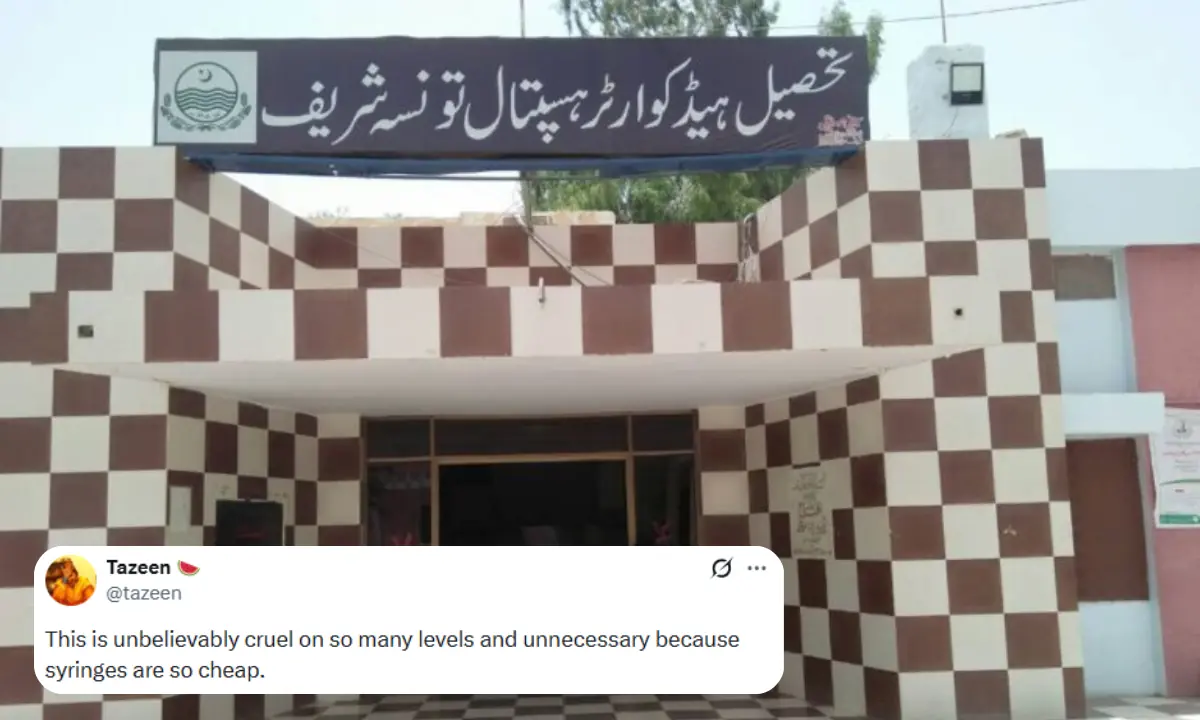
 A shocking report by BBC has triggered nationwide outrage in Pakistan after alleging severe medical malpractice at a Tehsil Headquarter…
 Pakistan’s second National Anti-Polio Campaign of 2026 is continuing across the country with full momentum, as health workers aim to…
 A new case of monkeypox has been reported in Karachi, raising fresh concerns among health authorities in the city. According…
 Olivia Munn has spoken about her experience battling breast cancer, highlighting the crucial role her husband, John Mulaney, played throughout…





- Islamabad United beat Karachi Kings by eight wickets easily in…11 minutes ago
- The United Nations has warned of a global food crisis…58 minutes ago
- U.S. President Donald Trump claimed that Iran has agreed not…2 hours ago
- Federal Minister for Energy Owais Leghari announced a reduction in…2 hours ago