


Indian Surgeons Remove Rare Trichobezoar, Saving Child’s Life
 Web Desk
|
7 months ago
Web Desk
|
7 months ago
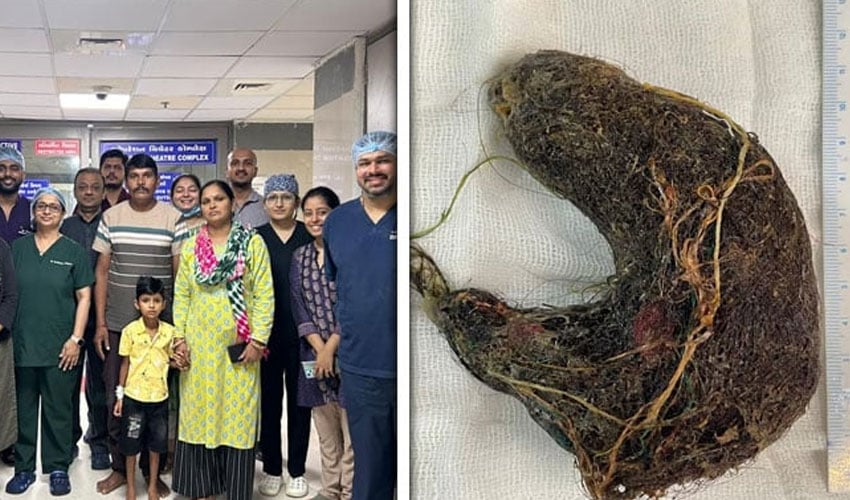
Doctors at Civil Hospital, Ahmedabad, successfully removed a large mass of hair, grass, and shoelaces from a 7-year-old boy. The boy, from Ratlam district in Madhya Pradesh, had suffered severe abdominal pain, vomiting, and weight loss for two months. Despite treatment at a private hospital, his condition worsened, so his family brought him to Ahmedabad for advanced care. Doctors performed a CT scan and endoscopy, revealing an unusual mass in his stomach and intestines.
A team of specialists at Civil Hospital conducted a complex exploratory surgery called a laparotomy to remove the mass. This large bundle is medically known as a trichobezoar. After the surgery, the boy, named Shubham, was not allowed to eat or drink for six days. On the seventh day, a dye test confirmed the operation was successful. The child’s condition improved, and doctors continue to monitor him closely.
Doctors explained that the trichobezoar formed because Shubham swallowed non-food items such as hair and grass. This habit caused the mass to build up over time and block his digestive system. To prevent the problem from returning, a psychologist now helps him overcome this behavior. Medical experts stress that such cases are very rare, especially in children.
Trichobezoar affects only about 0.3 to 0.5 percent of children, according to hospital doctors. The condition can be life-threatening if not treated promptly. It blocks the stomach and intestines, leading to serious health complications. Early diagnosis and treatment are crucial to avoid these dangers. Parents are urged to watch their children for unusual eating habits.
In conclusion, doctors warn parents to be vigilant about children swallowing non-food items. Early medical help can prevent severe complications and improve recovery. The successful surgery at Civil Hospital Ahmedabad highlights the importance of specialized care. Shubham’s case also shows how psychological support is key to preventing recurrence. Medical teams encourage awareness to protect children’s health.

Indian firm accused of bypassing US sanctions via Iran trade

UK raises terror alert after Golders Green stabbing attack
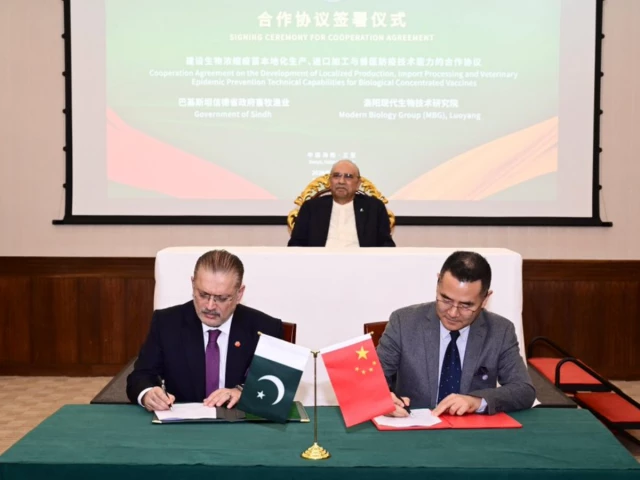
Pakistan, China sign MoUs in machinery, livestock and medical tech
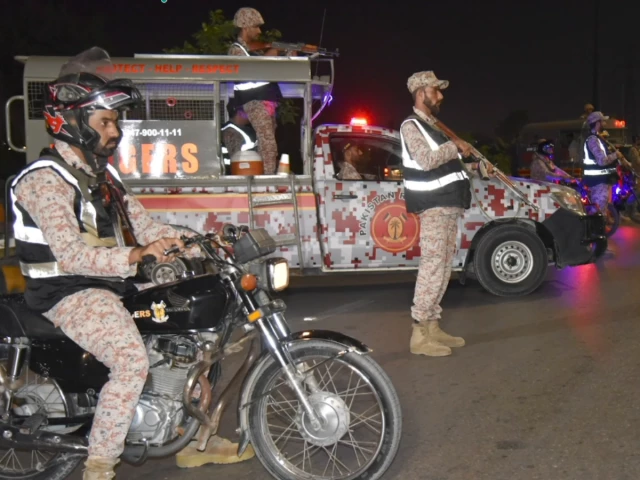
Rangers arrest alleged gang leader in Karachi crackdown

Pakistan Navy fully ready and capable during ‘Maarka-e-Haq’: vice admiral


12 countries condemn Israeli attack on Gaza aid flotilla



31 minutes ago

39 minutes ago
46 minutes ago
2 hours ago

3 hours ago

3 hours ago
- British authorities have charged a 45-year-old man with two counts of attempted murder following a stabbing attack in Golders Green,…
 Foreign ministers from twelve countries, including Pakistan, have strongly condemned Israel’s reported attack on the Global Sumud Flotilla, a humanitarian…
 The United States is reportedly considering a series of limited but powerful military strikes against Iran in an effort to…
- Iran’s Supreme Leader Mojtaba Khamenei said the Gulf future would be bright without US presence, stressing regional independence. He stated…

 The Healthcare Devices Association of Pakistan (HDAP) has raised serious concerns over the continued presence of banned reusable syringes in…
- Federal health authorities have ordered strict nationwide enforcement of a ban on conventional disposable syringes and initiated a policy review…
 Pakistan’s second national anti-polio campaign of 2026 is continuing across the country, with efforts now in its sixth day as…
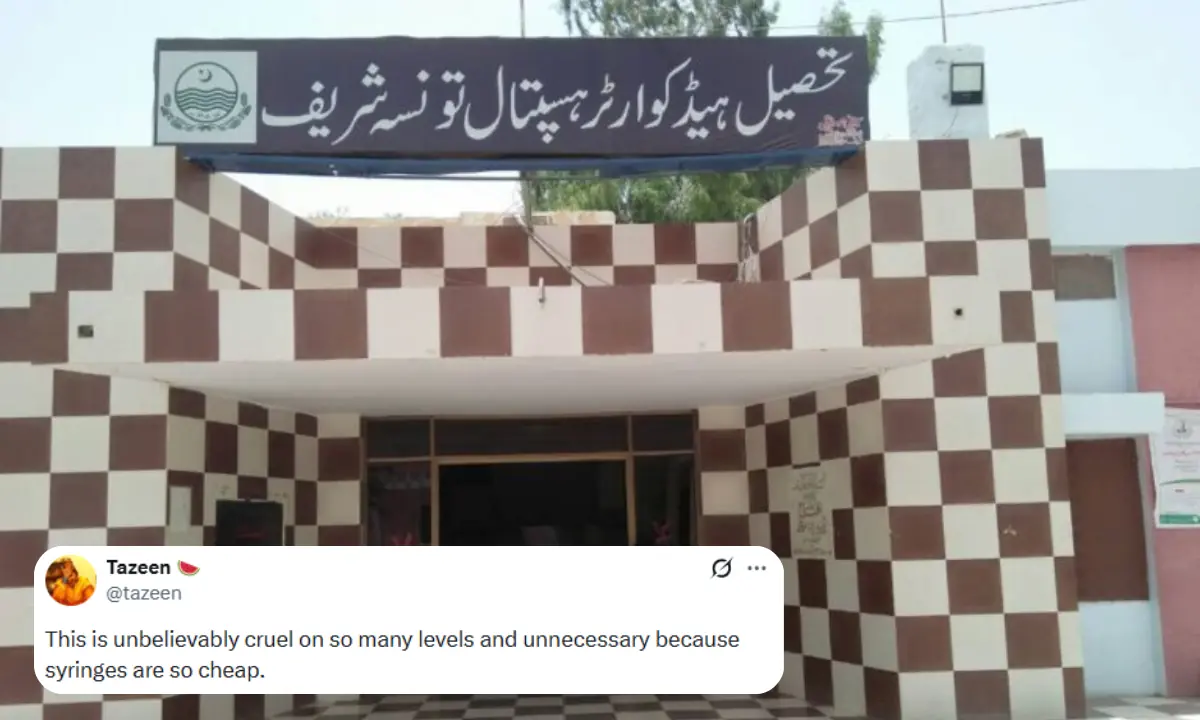
 A shocking report by BBC has triggered nationwide outrage in Pakistan after alleging severe medical malpractice at a Tehsil Headquarter…




- An Indian company has been accused of evading United States…31 minutes ago
- British authorities have charged a 45-year-old man with two counts…39 minutes ago
- Pakistan and China have signed multiple agreements aimed at expanding…46 minutes ago
- Sindh Rangers, acting on intelligence-based information, have arrested a suspected…2 hours ago