


Information warfare and social media shape modern conflict narratives
 Rabbia Zafar
|
1 week ago
Rabbia Zafar
|
1 week ago

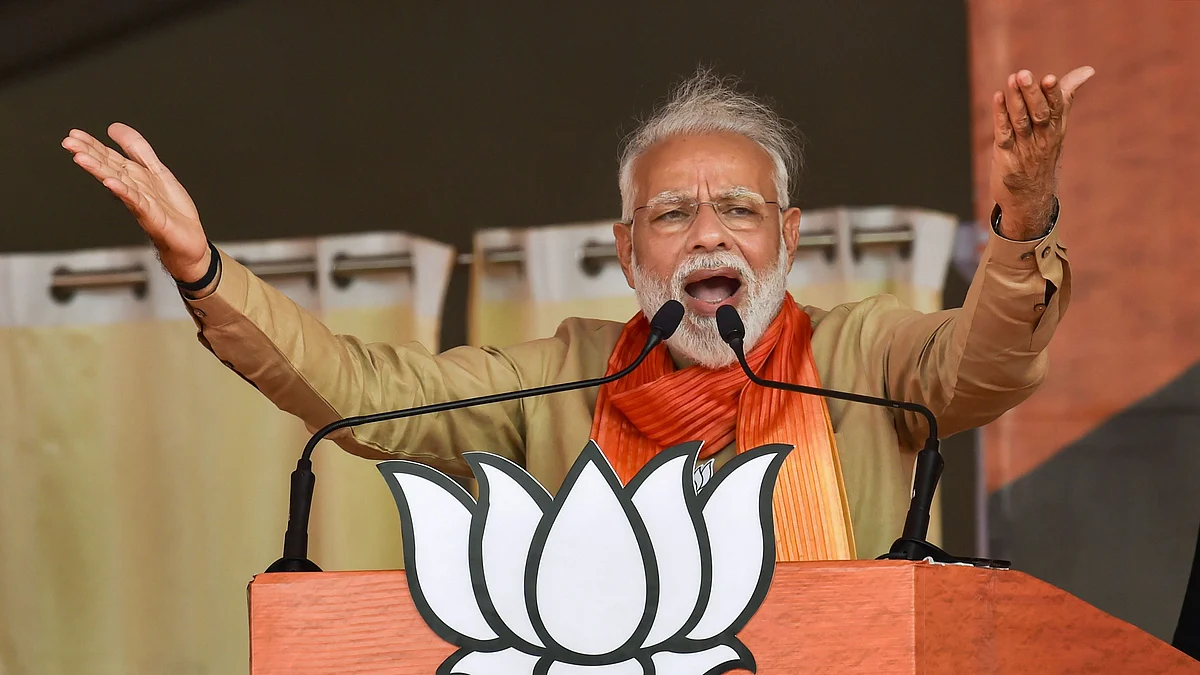
A commentary-style analysis has examined how modern conflicts between India and Pakistan are increasingly shaped by social media narratives, memes, and digital perception rather than traditional battlefield reporting alone.
The piece reflects on a hypothetical or symbolic scenario often referred to in online discourse as “Operation Sindoor,” describing how both countries engaged in parallel military and information battles during a brief escalation. While conventional military actions were limited in duration, the digital response continued far longer, evolving into a contest of competing narratives across platforms such as X (formerly Twitter), Instagram, and WhatsApp.
According to the analysis, India entered the information space with a large, coordinated media ecosystem and significant nationalist momentum. However, it argues that Pakistan’s online users leveraged humour, self-deprecation, and viral meme culture to shape international perception more effectively. By turning domestic challenges into jokes and widely shareable content, Pakistani social media users allegedly neutralised some negative narratives and gained traction in global online discussions.
The commentary also critiques Indian media reporting during the conflict, claiming that unverified or exaggerated information circulated widely, requiring subsequent fact-checking and correction. It suggests that this undermined credibility in international audiences and created confusion during the crisis.
Experts and think tanks referenced in the discussion highlight that modern “information warfare” now extends beyond official state communication to include influencers, journalists, and ordinary social media users. In this environment, speed, humour, and virality can be as influential as official military statements.
Ultimately, the analysis argues that narrative control has become a strategic dimension of conflict. It concludes that governments may need to reconsider how they engage with digital platforms, as public sentiment and online storytelling increasingly shape global understanding of geopolitical events.
s

Finance Ministry denies reports of Dar taking over budget process

Israeli settlers storm Al-Aqsa Mosque compound in Jerusalem
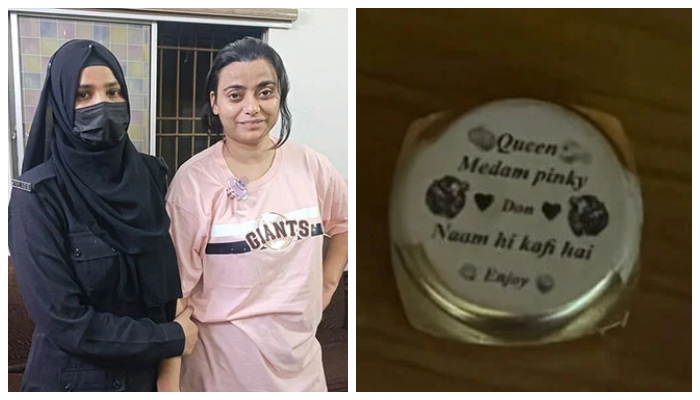
Drug suspect Pinky claims police took bribes during investigation

Ahsan Iqbal vows greater economic empowerment for women

Pakistan launches probe into Cambridge exam paper leaks amid student concerns



5 hours ago
6 hours ago
6 hours ago

15 hours ago

15 hours ago
15 hours ago
- Dozens of Israeli settlers entered the Al-Aqsa Mosque compound in occupied East Jerusalem on Thursday under the protection of Israeli…
- A United States federal judge has issued a temporary injunction blocking sanctions imposed by Washington on United Nations Special Rapporteur…
 A report cited by an international research organisation has raised concerns over the treatment of religious minorities in India and…
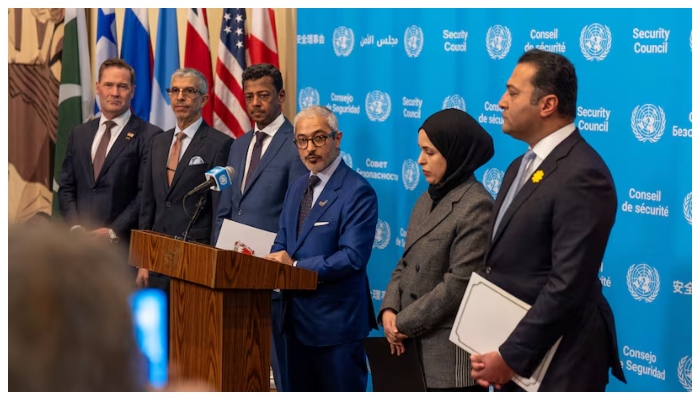
- Six Arab countries have jointly urged United Nations to press Iran to withdraw what they described as unilateral regulations imposed…
 A major shift in medical terminology has been announced for Polycystic Ovarian Syndrome (PCOS), a common hormonal disorder affecting millions…
 Health authorities are working to contain a potential international spread of hantavirus after new suspected cases emerged across multiple countries,…
 The Indus Hospital, located in Karachi’s Korangi area, has earned widespread recognition for providing free and quality healthcare services to…
- The Healthcare Devices Association of Pakistan (HDAP) has raised serious concerns over the continued presence of banned reusable syringes in…





- The Sindh High Court has ordered the sealing of records…5 hours ago
- Prime Minister Shehbaz Sharif stated that Pakistan’s nuclear assets are…6 hours ago
- Chairman of the Pakistan Peoples Party Bilawal Bhutto Zardari stated…6 hours ago
- Pakistan’s Ministry of Finance has rejected media reports claiming that…15 hours ago