


Pakistan eyes revival of Iran pipeline projects
 Rabbia Zafar
|
6 days ago
Rabbia Zafar
|
6 days ago
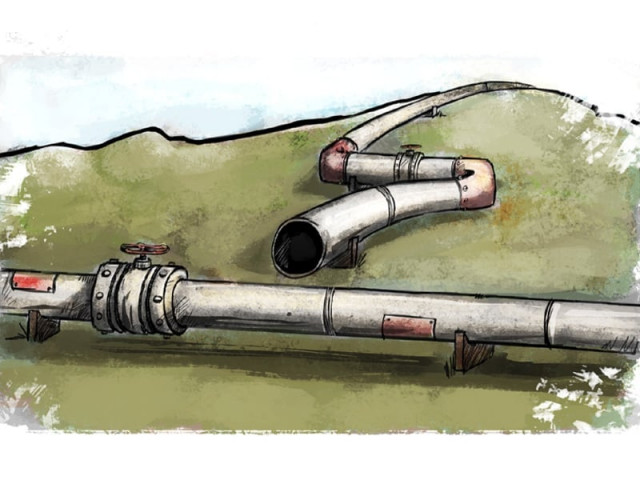
Prospects for reviving long-stalled energy projects between Pakistan and Iran have improved amid ongoing diplomatic engagement between Tehran and the United States.
The Iran-Pakistan (IP) gas pipeline project, originally agreed in 2009 and inaugurated in 2013 by former leaders Asif Ali Zardari and Mahmoud Ahmadinejad, has remained stalled for years due to US sanctions on Iran. Plans for an oil pipeline and a major refinery in Gwadar also failed to materialise under similar constraints.
However, with peace talks underway and expectations that sanctions could be eased, experts believe there is renewed momentum for restarting these initiatives. The potential lifting of restrictions could allow Islamabad to move forward with the pipeline, which is seen as critical for ensuring long-term energy security.
Explosion Damages Gas Pipeline on Quetta Western Bypass, Urgent Repairs Needed
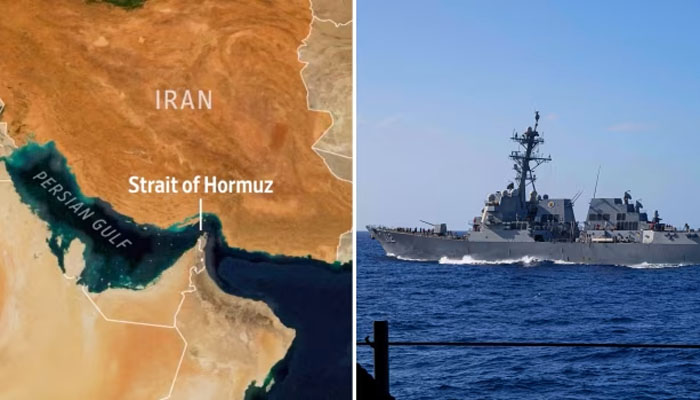
The recent Middle East conflict highlighted vulnerabilities in global energy supply chains, particularly disruptions linked to the Strait of Hormuz. For Pakistan, which relies heavily on imported oil and liquefied natural gas, such disruptions have underscored the need for alternative supply routes.
The IP pipeline, if completed, could provide a more reliable and cost-effective energy source by bypassing key maritime chokepoints. Iran has already completed its portion of the pipeline, while Pakistan has yet to begin construction on its side.
Despite past efforts to secure a sanctions waiver from Washington, progress remained limited. Pakistan also explored alternative options, including LNG pipelines and increased imports from Qatar, but these measures have not fully addressed supply challenges.
As diplomatic developments continue, officials see a potential window of opportunity to revive energy cooperation between Pakistan and Iran, though much will depend on the outcome of ongoing negotiations and the future of sanctions on Tehran.


16 minutes ago
1 hour ago
2 hours ago
2 hours ago
3 hours ago
5 hours ago
- The United Nations has warned of a global food crisis due to the closure of the Strait of Hormuz. Officials…
- U.S. President Donald Trump claimed that Iran has agreed not to develop nuclear weapons. He made the statement while speaking…
- U.S. President Donald Trump said that a deal with Iran is close and suggested he could visit Islamabad if the…
- U.S. President Donald Trump announced a 10-day ceasefire between Lebanon and Israel after high-level talks. He said both sides agreed…
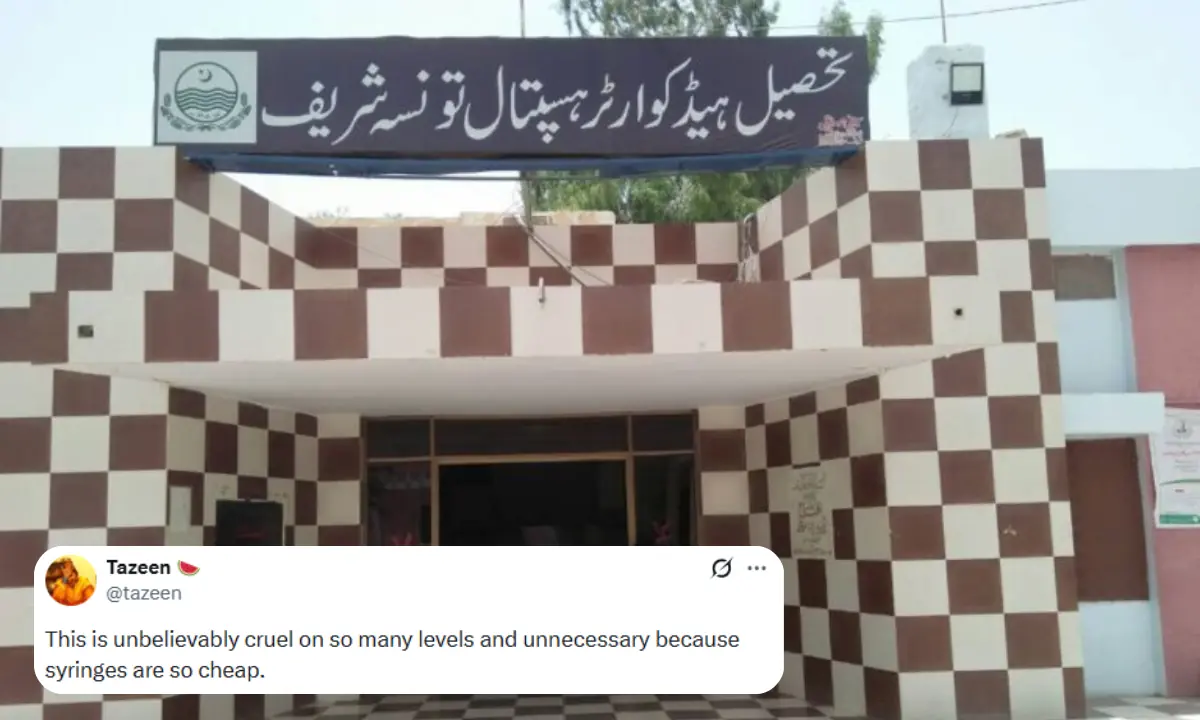
 A shocking report by BBC has triggered nationwide outrage in Pakistan after alleging severe medical malpractice at a Tehsil Headquarter…
 Pakistan’s second National Anti-Polio Campaign of 2026 is continuing across the country with full momentum, as health workers aim to…
 A new case of monkeypox has been reported in Karachi, raising fresh concerns among health authorities in the city. According…
 Olivia Munn has spoken about her experience battling breast cancer, highlighting the crucial role her husband, John Mulaney, played throughout…





- Islamabad United beat Karachi Kings by eight wickets easily in…16 minutes ago
- The United Nations has warned of a global food crisis…1 hour ago
- U.S. President Donald Trump claimed that Iran has agreed not…2 hours ago
- Federal Minister for Energy Owais Leghari announced a reduction in…2 hours ago