


Pakistan Launches $10 Billion Rail Corridor to Boost Trade with Central Asia
 Web Desk
|
11 months ago
Web Desk
|
11 months ago

Federal Minister for Railways Hanif Abbasi announced a $10 billion rail corridor project connecting Pakistan with Afghanistan and Central Asia.
He revealed the plan during the launch of the AD Ports office. The corridor will link Kohat to Mazar-e-Sharif, providing landlocked Central Asian nations access to seaports via Pakistan. Abbasi described the initiative as a potential “game changer” for regional trade and economic growth.
He confirmed that feasibility studies would be completed by December 31. So far, $5 billion has already been allocated for the project. The government plans to outsource freight and passenger terminals to private investors. Abbasi urged UAE businesses and overseas Pakistanis to invest in rail ventures. He specifically mentioned Royal Palm in Lahore as a key opportunity for investors.
Abbasi also highlighted the government’s focus on modernising Pakistan Railways. He said the reforms align with Prime Minister Shehbaz Sharif’s digitisation and development goals. Major upgrades are ongoing on the ML-1, ML-2, and ML-3 lines. Travel time between Lahore and Rawalpindi will soon drop to just 2.5 hours, improving travel efficiency significantly.
In addition, Abbasi discussed Pakistan’s growing diplomatic influence, especially with the UAE and the broader Muslim world. He praised the role of Pakistan’s armed forces and leadership in recent regional challenges. He called their actions a “dignified victory” and a moment of pride for all Muslim countries supporting Pakistan.
The ceremony was attended by federal ministers from various departments, including Information, Commerce, Maritime Affairs, and Science and Technology. AD Ports Group representatives presented commemorative souvenirs to the ministers. The event showcased Pakistan’s commitment to international cooperation and infrastructure growth.
Abbasi ended his speech with a strong message of unity and national pride. He reaffirmed Pakistan’s vision for development through strong partnerships and economic connectivity. The rail corridor stands as a bold step toward that future.


Cape Verde goalkeeper’s mother to attend World Cup match

Over 14,000 police personnel deployed for Muharram security



5 minutes ago

12 minutes ago
21 minutes ago
29 minutes ago
38 minutes ago
43 minutes ago
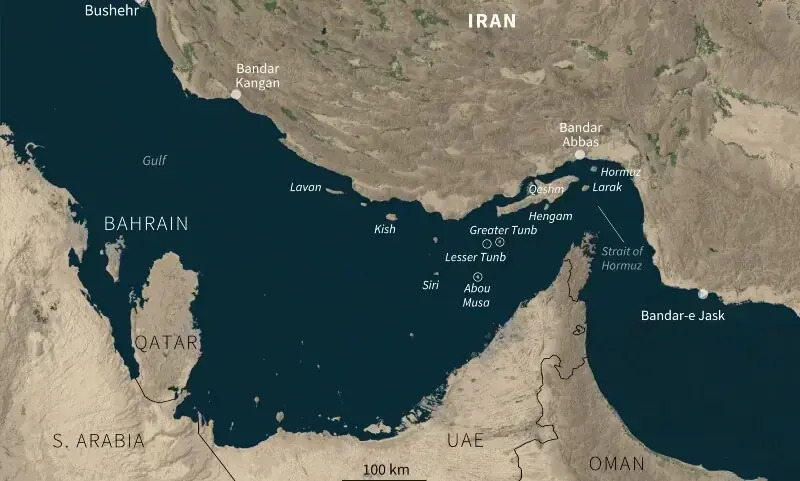
 Iran has announced that a Strait of Hormuz management system will be developed jointly with Oman to oversee maritime activities…
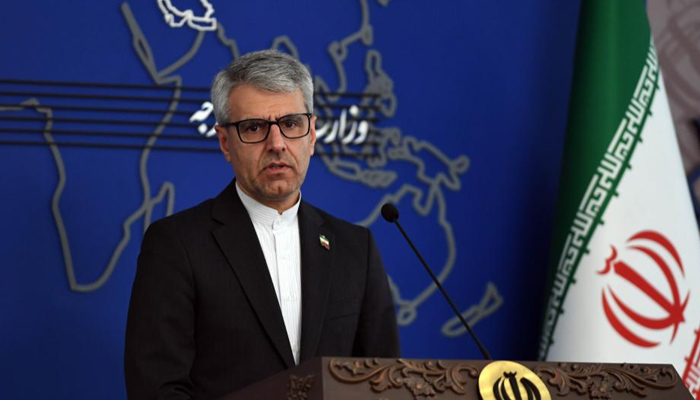
- The final version of the US-Iran Memorandum of Understanding has been agreed upon, according to Iran’s Foreign Ministry spokesperson Esmaeil…
- The proposed Islamabad Memorandum of Understanding between the United States and Iran has been made public, revealing 14 key provisions…
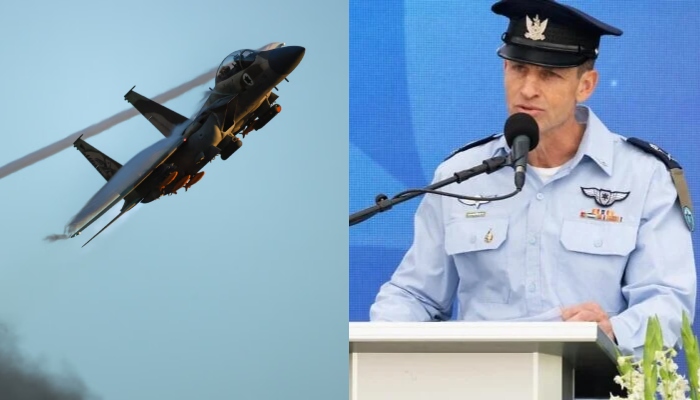
- The chief of Israel’s air force has revealed that a major military operation against Iran was planned for June 8…
 Karachi is witnessing a worrying surge in congenital heart diseases among newborns, with medical experts warning that thousands of children…
 Pakistan now has the highest diabetes rate in the world, according to the latest IDF report. The report shows that…
 South Africa, Eswatini, and Zambia have begun administering lenacapavir, a groundbreaking HIV-prevention injection, marking a major milestone in the fight…
- KARACHI: The Sindh High Court’s Constitutional Bench was informed on Monday that all milk samples collected in Karachi are harmful…






- Rescue teams are continuing search operations after a seven-year-old boy…5 minutes ago
- The Khyber Pakhtunkhwa Police has approved the establishment of a…12 minutes ago
- The mother of Cape Verde goalkeeper Vezina, who became an…21 minutes ago
- The National Assembly has approved the Pakistan Telecommunication Re-Organization (Amendment)…29 minutes ago