


Pakistan’s Petroleum Import Bill Drops 4.65% on LNG Decline
 Web Desk
|
7 months ago
Web Desk
|
7 months ago
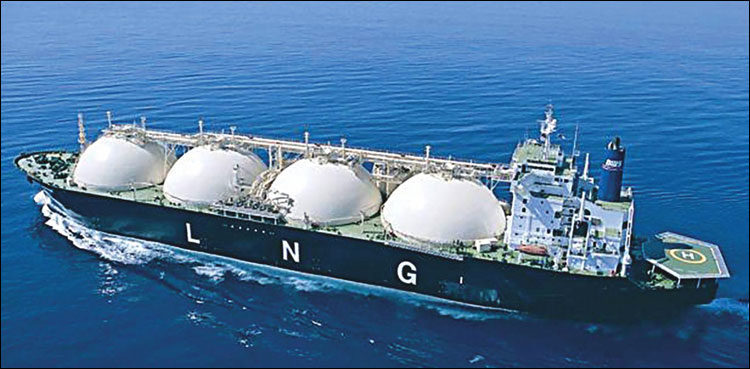
Pakistan’s overall petroleum imports dropped by 4.65 percent during the first two months of the current fiscal year. According to the Pakistan Bureau of Statistics (PBS), imports fell from $2.66 billion in July-August last year to $2.54 billion this year. However, petroleum product imports increased by 17.77 percent, rising from $840.5 million to nearly $990 million. On the other hand, crude oil imports declined by 6.11 percent, falling from $944.7 million to $887 million.
Liquefied Natural Gas (LNG) imports sharply decreased by 28.81 percent during the same period. The imports dropped from $713.1 million last year to $507.6 million this year. Similarly, imports of Liquefied Petroleum Gas (LPG) went down by 6.06 percent, falling from $163.9 million to $153.9 million. Year-on-year petroleum group imports in August 2025 dropped 14.67 percent, totaling $1.19 billion compared to $1.40 billion in August 2024. Month-on-month, imports also declined 11.38 percent in August 2025 compared to July 2025.
Meanwhile, Pakistan’s exports saw a slight rise of 0.65 percent during the first two months of the fiscal year. Exports increased from $5.07 billion to $5.10 billion compared to last year. Conversely, imports surged by 14.53 percent, reaching $11.14 billion compared to $9.73 billion in the same period last year. This significant growth in imports widened the country’s trade deficit. The deficit increased by 29.63 percent, rising from $4.66 billion to $6.04 billion.
The declining petroleum imports, especially crude oil and LNG, indicate shifts in Pakistan’s energy import patterns. At the same time, rising petroleum product imports suggest higher domestic demand for refined fuels. The government and businesses will likely monitor these trends closely. These changes could impact the country’s energy sector and overall economy in the coming months.
Overall, Pakistan faces challenges with growing trade deficits despite slight export growth. Controlling imports while boosting exports remains a key priority. The government may need to focus on energy efficiency and diversification to reduce import bills. This data highlights the need for strategic economic planning to stabilize Pakistan’s trade balance.

Indian firm accused of bypassing US sanctions via Iran trade

UK raises terror alert after Golders Green stabbing attack
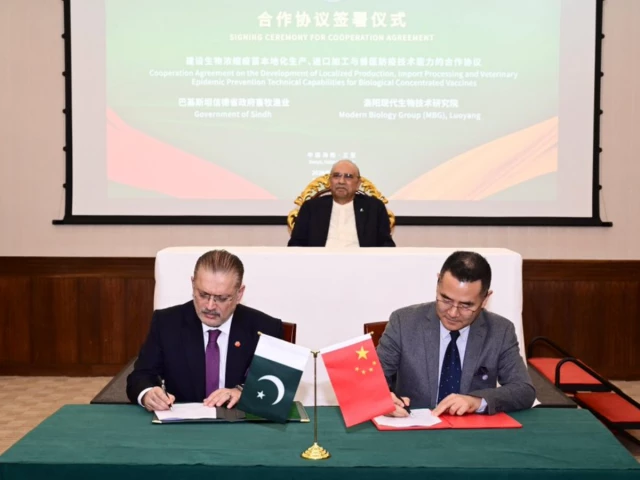
Pakistan, China sign MoUs in machinery, livestock and medical tech

Rangers arrest alleged gang leader in Karachi crackdown

Pakistan Navy fully ready and capable during ‘Maarka-e-Haq’: vice admiral

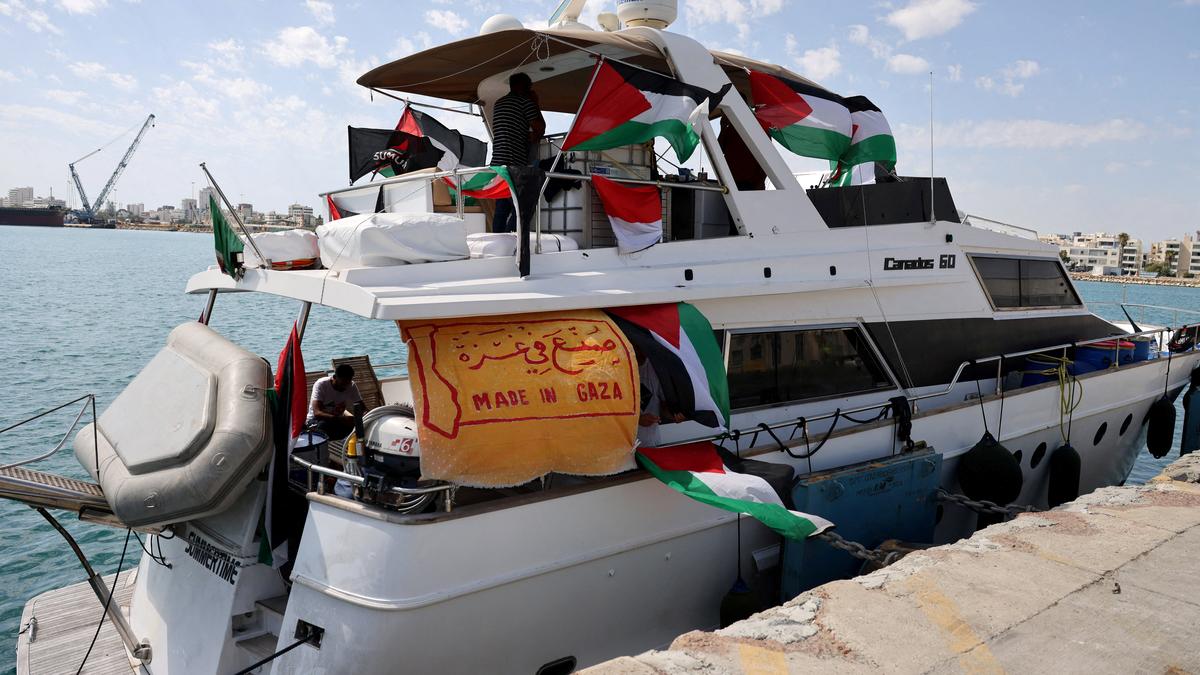
12 countries condemn Israeli attack on Gaza aid flotilla




31 minutes ago

39 minutes ago
46 minutes ago
2 hours ago

3 hours ago

3 hours ago
- British authorities have charged a 45-year-old man with two counts of attempted murder following a stabbing attack in Golders Green,…
 Foreign ministers from twelve countries, including Pakistan, have strongly condemned Israel’s reported attack on the Global Sumud Flotilla, a humanitarian…
 The United States is reportedly considering a series of limited but powerful military strikes against Iran in an effort to…
- Iran’s Supreme Leader Mojtaba Khamenei said the Gulf future would be bright without US presence, stressing regional independence. He stated…

 The Healthcare Devices Association of Pakistan (HDAP) has raised serious concerns over the continued presence of banned reusable syringes in…
- Federal health authorities have ordered strict nationwide enforcement of a ban on conventional disposable syringes and initiated a policy review…
 Pakistan’s second national anti-polio campaign of 2026 is continuing across the country, with efforts now in its sixth day as…
 A shocking report by BBC has triggered nationwide outrage in Pakistan after alleging severe medical malpractice at a Tehsil Headquarter…




- An Indian company has been accused of evading United States…31 minutes ago
- British authorities have charged a 45-year-old man with two counts…39 minutes ago
- Pakistan and China have signed multiple agreements aimed at expanding…46 minutes ago
- Sindh Rangers, acting on intelligence-based information, have arrested a suspected…2 hours ago