


Supreme Court declines to entertain petition against 27th Constitutional Amendment
 Rabbia Zafar
|
1 hour ago
Rabbia Zafar
|
1 hour ago
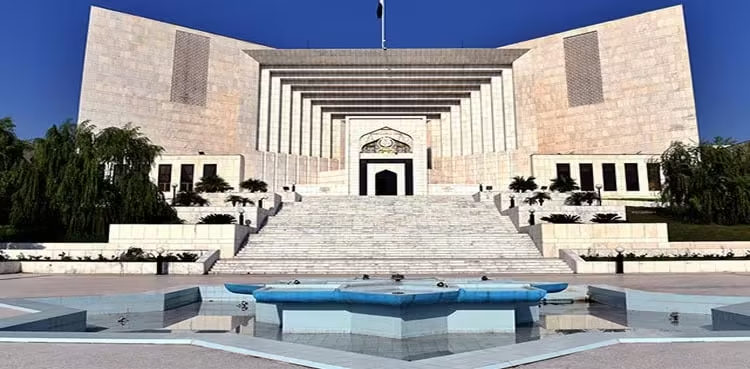
The Supreme Court of Pakistan has declined to entertain a petition filed by the Lahore Bar Association (LBA) challenging the 27th Constitutional Amendment and the transfer of three Islamabad High Court judges to other high courts.
According to legal sources, the petition was returned by the Supreme Court registrar’s office to the Advocate-on-Record without issuing a written order. The petition had been submitted through senior lawyer Hamid Khan.
The petition had argued that the 27th Amendment undermined judicial independence and exceeded parliamentary authority, claiming that amendments affecting the structure and powers of the judiciary violate the Constitution’s basic features. It also challenged the transfer of judges under amended provisions of Article 200, alleging a lack of transparency, criteria and institutional justification.
German humanitarian Anita Khawaja receives top German honour in Pakistan
However, the registrar’s decision to return the petition without a written order has raised procedural questions within legal circles. Some lawyers argue that even if the Supreme Court no longer has jurisdiction under Article 184(3), procedural fairness requires a written order outlining objections, which can then be challenged through appeal.
Legal experts also noted that the matter remains politically and constitutionally sensitive, particularly as debates continue over the creation and jurisdiction of the proposed Federal Constitutional Court.
The petition further contended that Parliament, as a constituted body, cannot alter constitutional provisions in a manner that weakens judicial independence. It also argued that the newly established constitutional framework cannot adjudicate challenges to its own legality.
Sources said the Lahore Bar Association is expected to file an appeal against the registrar’s decision in the coming days, keeping the constitutional debate active within Pakistan’s legal community.
The case highlights ongoing tensions between segments of the legal fraternity and constitutional reforms that have reshaped judicial authority and the transfer mechanisms of superior court judges.
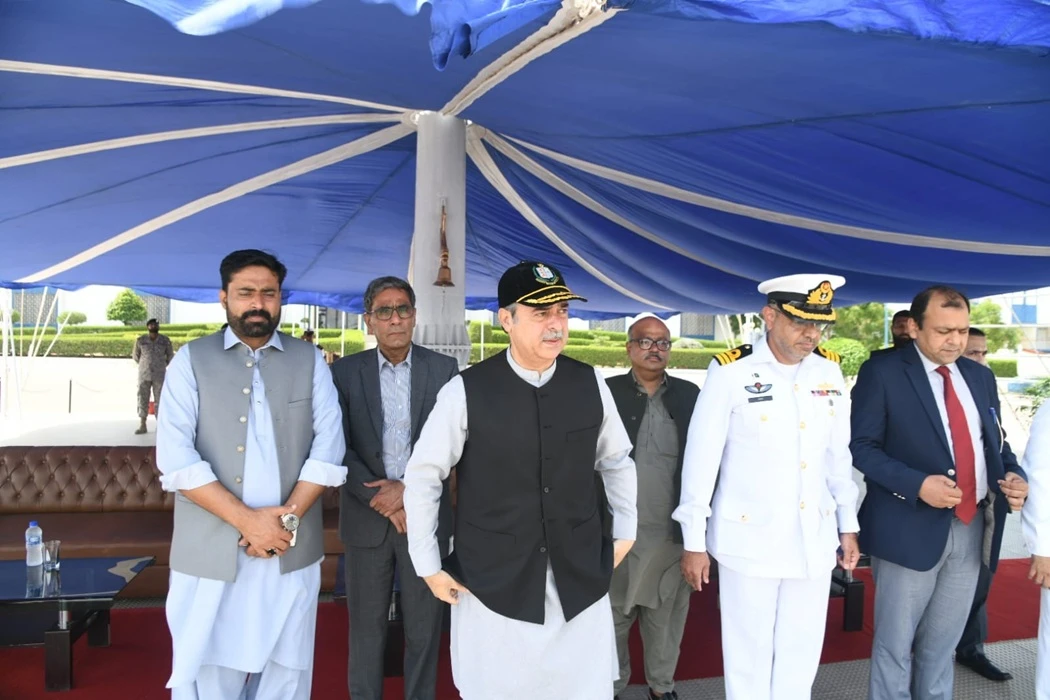
Government plans to upgrade Pakistan maritime academy to degree-awarding status
Pakistan rejects claims amid reports of propaganda campaign

karachi police investigate harassment incident in korangi area
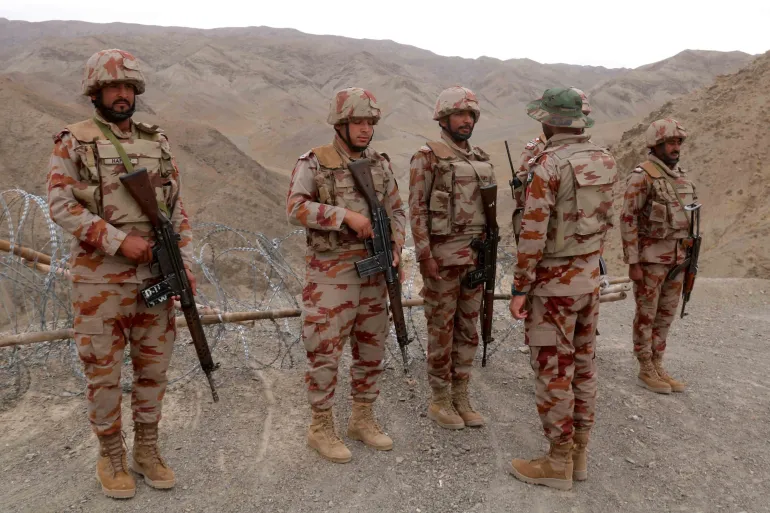
Report highlights security concerns linked to Afghan nationals in some countries
Report raises concerns over minority rights in India


Kuwait issues alert warning travellers over unauthorised airlines
Supreme Court declines to entertain petition against 27th Constitutional Amendment


5 minutes ago

14 minutes ago

24 minutes ago

31 minutes ago

44 minutes ago

1 hour ago
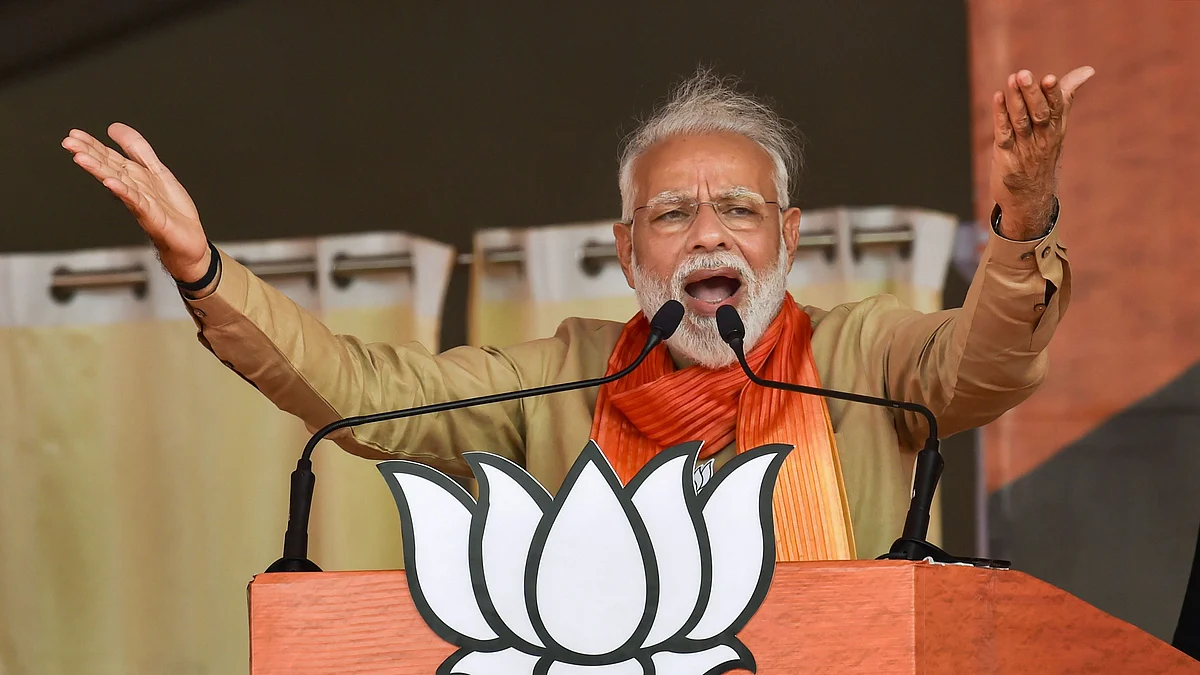
- A report cited by an international research organisation has raised concerns over the treatment of religious minorities in India and…
 Six Arab countries have jointly urged United Nations to press Iran to withdraw what they described as unilateral regulations imposed…
- US Secretary of State Marco Rubio has said that Washington wants China to pressure Iran into reconsidering its stance on…
 More than 10,000 homes in Lebanon have been damaged or completely destroyed since the ceasefire between Israel and Hezbollah came…

 A major shift in medical terminology has been announced for Polycystic Ovarian Syndrome (PCOS), a common hormonal disorder affecting millions…
- Health authorities are working to contain a potential international spread of hantavirus after new suspected cases emerged across multiple countries,…
 The Indus Hospital, located in Karachi’s Korangi area, has earned widespread recognition for providing free and quality healthcare services to…
- The Healthcare Devices Association of Pakistan (HDAP) has raised serious concerns over the continued presence of banned reusable syringes in…




- Federal Minister for Maritime Affairs Junaid Anwar Chaudhry has announced…5 minutes ago
- Claims and counter-claims have emerged in international media discussions surrounding…14 minutes ago
- Police in Karachi have launched an investigation into an alleged…24 minutes ago
- A report has highlighted concerns regarding alleged involvement of…31 minutes ago