US Reports Iran‑Oman to Charge Shipping Taxes Amid Ceasefire in Hormuz
 Web Desk
|
1 week ago
Web Desk
|
1 week ago
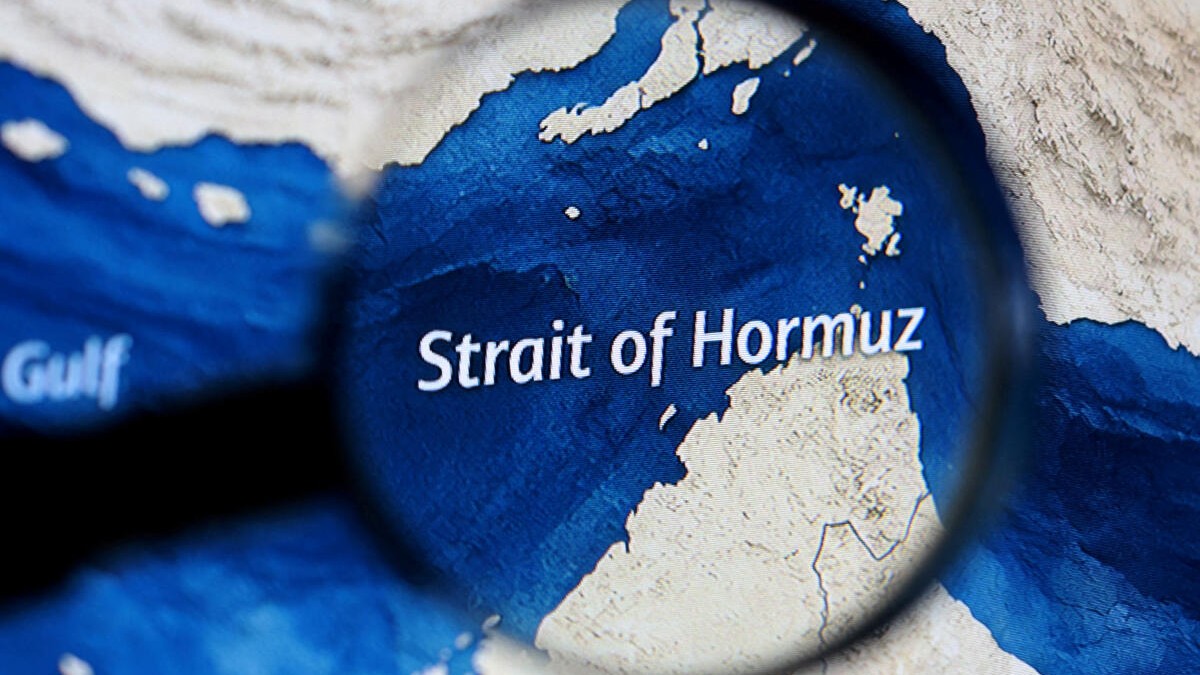
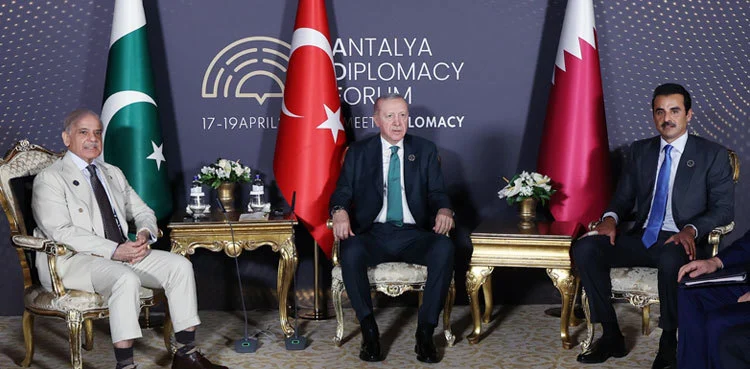
Reports indicate that the plan was discussed during diplomatic engagements linked to the two-week truce, brokered with Pakistan’s support. Under the proposal, both countries would collect transit fees from ships using the strategic waterway, with funds intended for post-conflict reconstruction and regional investment.
The Strait of Hormuz, lying between Iran and Oman, is one of the world’s most critical oil transit routes. Historically, it has been treated as an international passage allowing free navigation without taxation. This proposed fee system marks a significant departure from established maritime norms.
Iranian officials stated that fees would vary based on vessel type, cargo, and other operational factors. Tehran is reportedly seeking international approval of the plan as part of a broader, permanent peace agreement with the United States and its allies.
View this post on Instagram
However, several countries and maritime law experts have criticized the move, arguing that imposing unilateral transit fees on a natural international waterway may violate global legal frameworks. Current laws generally permit coastal states to charge only for specific services, such as pilotage or towing, not mere passage.
US President Donald Trump has emphasized that uninterrupted oil flow must remain a core condition of any peace agreement with Iran. Meanwhile, Gulf nations have voiced concern, warning that the Strait cannot be controlled or monetized by any single state.
Analysts warn that if implemented, the plan could have far-reaching consequences for global trade and energy markets, potentially raising shipping costs and destabilizing oil supply chains worldwide.

Cow injured in Muzaffargarh as unknown attackers cut tongue

Robert Downey Jr returns as Doctor Doom in Marvel twist

Child injured after shocking incident at Indian wedding event

Hajj operations begin from Multan with first flight to Madinah

Pakistan’s nationwide anti-polio campaign reaches millions of children

 Residents of the southern Lebanese city of Nabatiyeh are grappling with the aftermath of a deadly airstrike that flattened a…
 Former US President Donald Trump has said that a government review of UFO-related material has uncovered a number of “very…
 Large public gatherings were held in Iran and Yemen as demonstrators expressed political solidarity with regional leadership and allied movements.…
- Tensions between the United States and Iran escalated again on Saturday as President Donald Trump said the US may continue…


 Pakistan’s second national anti-polio campaign of 2026 is continuing across the country, with efforts now in its sixth day as…
 A shocking report by BBC has triggered nationwide outrage in Pakistan after alleging severe medical malpractice at a Tehsil Headquarter…
 Pakistan’s second National Anti-Polio Campaign of 2026 is continuing across the country with full momentum, as health workers aim to…
 A new case of monkeypox has been reported in Karachi, raising fresh concerns among health authorities in the city. According…