


Court Issues Arrest Warrants for KP Chief Minister Afridi
 Web Desk
|
4 months ago
Web Desk
|
4 months ago

ISLAMABAD – A court in the federal capital issued non-bailable arrest warrants for Khyber Pakhtunkhwa Chief Minister Sohail Afridi on Saturday. The move follows Afridi’s repeated failure to appear before the court in a case involving alleged misleading statements against state institutions. Law enforcement authorities have been directed to arrest him and produce him before the court. Meanwhile, the court adjourned further proceedings until January 17.
The case was registered in November 2025 by the National Cyber Crime Investigation Agency under the Prevention of Electronic Crimes Act. The complaint was filed by a citizen who accused Afridi of spreading false and baseless statements online. These videos allegedly aimed to incite hatred and confusion against national security institutions. Authorities said the content was circulated through official Pakistan Tehreek-e-Insaf (PTI) social media channels.
According to the complaint, Afridi also made a media statement outside Adiala Jail containing false claims against state institutions. The statement, officials claimed, further harmed the image of the armed forces. The online circulation of such content prompted the registration of the FIR. Investigators emphasized that such actions could undermine public trust in security and state institutions.
Read more : JUI-F Challenges Sohail Afridi’s KP Chief Minister Election
Earlier, Khyber Pakhtunkhwa Governor Faisal Karim Kundi condemned Afridi’s remarks. He said that questioning the intentions of the armed forces undermines their morale. Kundi also highlighted that such statements could negatively impact public security and trust in state institutions.
The court’s decision marks a significant step in addressing allegations against Afridi. Legal observers say the case could set a precedent regarding accountability for public officials. Citizens and political analysts are now closely watching the next hearing scheduled for January 17. The government and law enforcement agencies have pledged to ensure due process.

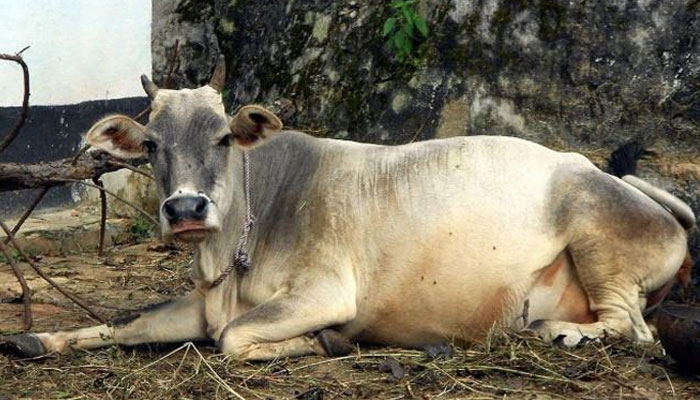
Cow injured in Muzaffargarh as unknown attackers cut tongue

Robert Downey Jr returns as Doctor Doom in Marvel twist


Child injured after shocking incident at Indian wedding event

Hajj operations begin from Multan with first flight to Madinah

Pakistan’s nationwide anti-polio campaign reaches millions of children

Police officer martyred after vehicle hits checkpoint in Karachi

1 hour ago

2 hours ago

2 hours ago

3 hours ago
3 hours ago

3 hours ago
 Residents of the southern Lebanese city of Nabatiyeh are grappling with the aftermath of a deadly airstrike that flattened a…
 Former US President Donald Trump has said that a government review of UFO-related material has uncovered a number of “very…
 Large public gatherings were held in Iran and Yemen as demonstrators expressed political solidarity with regional leadership and allied movements.…
- Tensions between the United States and Iran escalated again on Saturday as President Donald Trump said the US may continue…
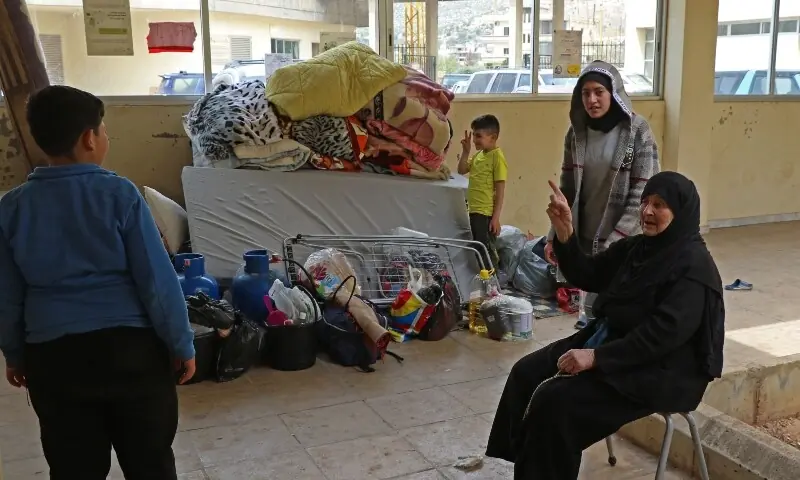

- Pakistan’s second national anti-polio campaign of 2026 is continuing across the country, with efforts now in its sixth day as…
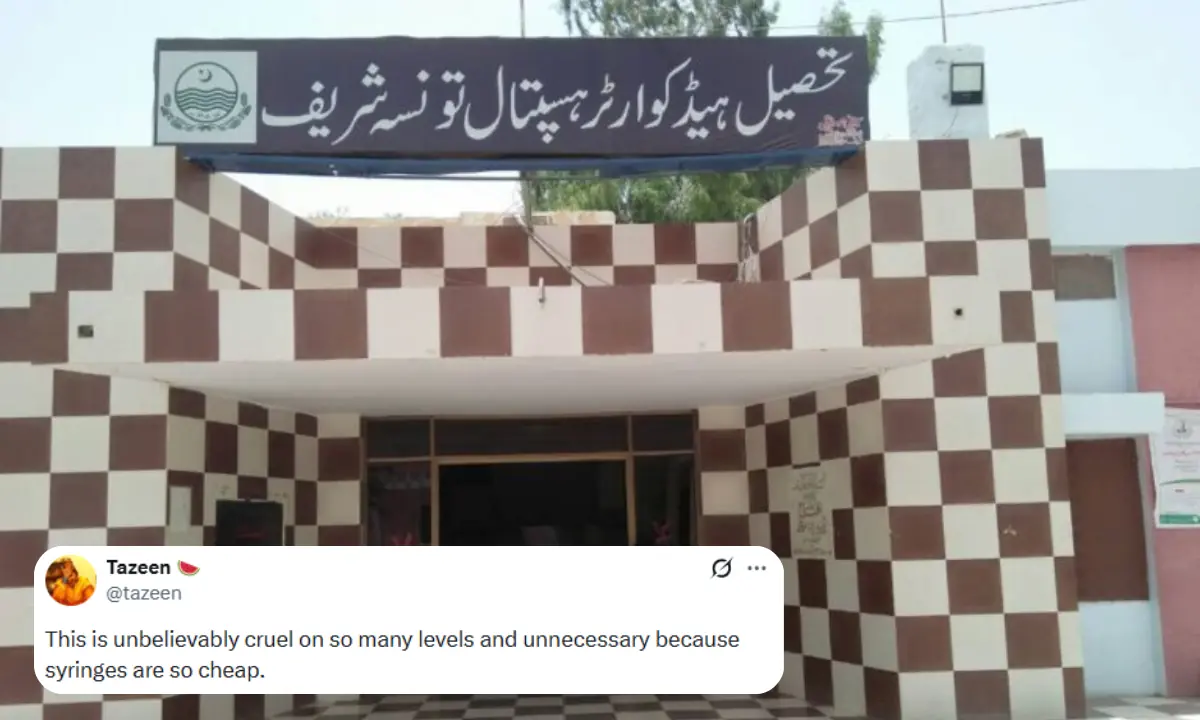
 A shocking report by BBC has triggered nationwide outrage in Pakistan after alleging severe medical malpractice at a Tehsil Headquarter…
 Pakistan’s second National Anti-Polio Campaign of 2026 is continuing across the country with full momentum, as health workers aim to…
 A new case of monkeypox has been reported in Karachi, raising fresh concerns among health authorities in the city. According…




- Law enforcement agencies in Quetta successfully foiled a major smuggling…1 hour ago
- A disturbing case of animal cruelty has emerged from Muzaffargarh,…2 hours ago
- Robert Downey Jr. is set to make a dramatic return…2 hours ago
- Pakistan International Airlines (PIA) has officially announced the start of…3 hours ago