


Forex reserves in Pakistan hit $21.1 billion, strongest since 2022
 Web Desk
|
4 months ago
Web Desk
|
4 months ago

Pakistan’s economy has reached a major milestone as foreign exchange reserves climbed to $21.1 billion, the highest since March 2022. This increase signals a shift toward stability after years of external pressure. Analysts say the surge reflects growing investor confidence and stronger economic fundamentals.
The State Bank of Pakistan’s reserves now stand at $15.9 billion, showing a sharp recovery from just $2.9 billion in 2023. Domestic reserves have increased nearly 5.5 times compared to last year, strengthening Pakistan’s import capacity to over 2.6 months. Previously, import cover had fallen to less than two weeks, raising concerns about external solvency.
Experts highlight that the rise in reserves is driven by sustainable domestic growth and renewed confidence, not temporary financial measures. Pakistan’s external debt-to-GDP ratio has fallen from 31% to 26%, reflecting better fiscal discipline and reform efforts. Forward foreign exchange liabilities have also been reduced by 65%, easing future repayment pressures.
This reversal of trends marks a significant turnaround compared to 2015–2022, when reserves declined and debt continued rising. Economists say the increase shows improved macroeconomic management and stronger external financial foundations. The country is now less vulnerable to external shocks and better positioned to manage future economic challenges.
Overall, the rise in foreign exchange reserves represents a qualitative shift in Pakistan’s economic strategy. Analysts stress that the country is moving away from debt-driven short-term fixes toward sustainable, long-term financial stability. Rising reserves, stronger business confidence, and improved fiscal management indicate a more resilient economic outlook for Pakistan.
Read more : FBR Orders Cameras Installed Across Pakistan’s Textile Mills
The Federal Board of Revenue has decided to closely monitor spinning and textile mills. It has directed mills to install surveillance cameras to improve oversight. Two private firms have been assigned the job of supplying and installing the camera systems. Their invoices have already been sent to mill owners, according to APTMA sources.
The new system will be introduced in phases. Each mill may receive up to 20 cameras once installation begins. However, APTMA sources argue that the required software and equipment are available in the market at almost half the quoted price. They believe the cost burden on mills is unnecessary and unfair.

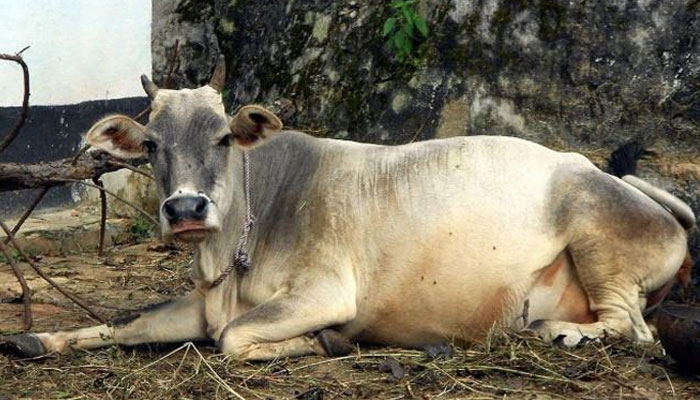
Cow injured in Muzaffargarh as unknown attackers cut tongue

Robert Downey Jr returns as Doctor Doom in Marvel twist


Child injured after shocking incident at Indian wedding event

Hajj operations begin from Multan with first flight to Madinah

Pakistan’s nationwide anti-polio campaign reaches millions of children

Police officer martyred after vehicle hits checkpoint in Karachi

1 hour ago

2 hours ago

2 hours ago

3 hours ago
3 hours ago

3 hours ago
 Residents of the southern Lebanese city of Nabatiyeh are grappling with the aftermath of a deadly airstrike that flattened a…
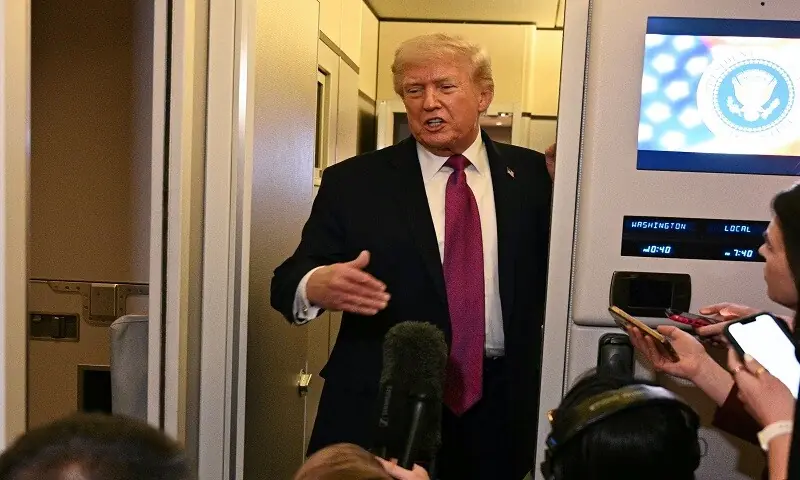
 Former US President Donald Trump has said that a government review of UFO-related material has uncovered a number of “very…
 Large public gatherings were held in Iran and Yemen as demonstrators expressed political solidarity with regional leadership and allied movements.…
- Tensions between the United States and Iran escalated again on Saturday as President Donald Trump said the US may continue…



- Pakistan’s second national anti-polio campaign of 2026 is continuing across the country, with efforts now in its sixth day as…
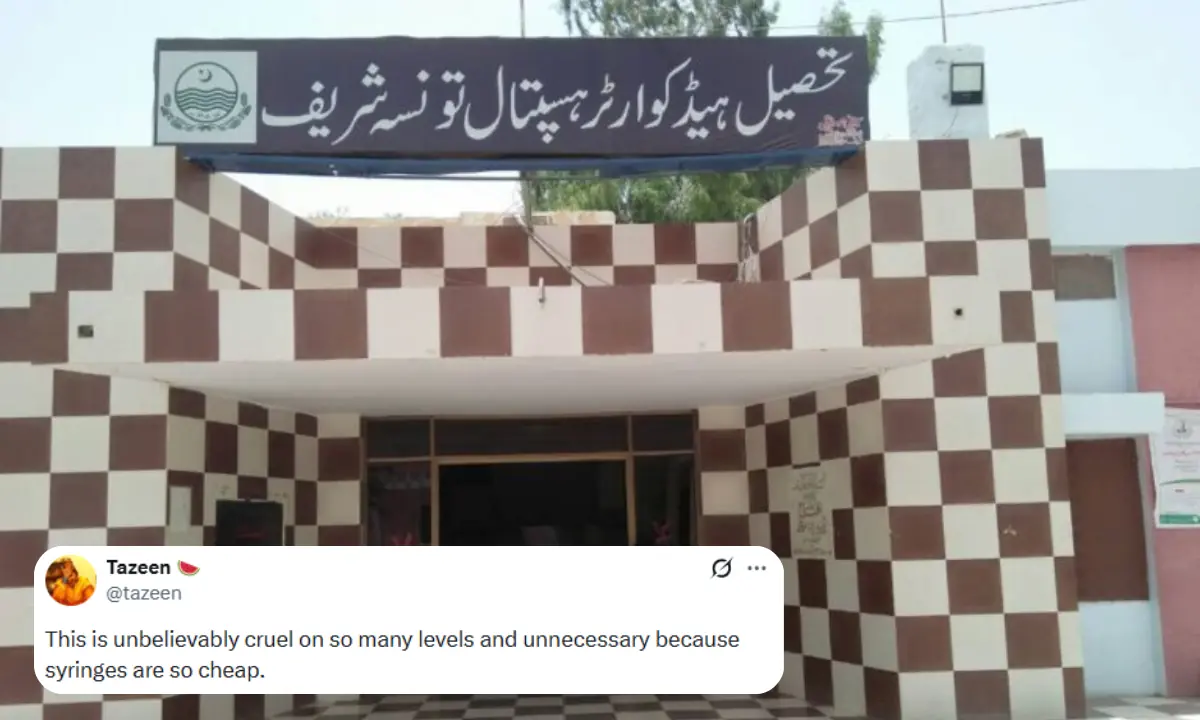
 A shocking report by BBC has triggered nationwide outrage in Pakistan after alleging severe medical malpractice at a Tehsil Headquarter…
 Pakistan’s second National Anti-Polio Campaign of 2026 is continuing across the country with full momentum, as health workers aim to…
 A new case of monkeypox has been reported in Karachi, raising fresh concerns among health authorities in the city. According…




- Law enforcement agencies in Quetta successfully foiled a major smuggling…1 hour ago
- A disturbing case of animal cruelty has emerged from Muzaffargarh,…2 hours ago
- Robert Downey Jr. is set to make a dramatic return…2 hours ago
- Pakistan International Airlines (PIA) has officially announced the start of…3 hours ago