


Pakistan sets cotton target for Kharif season
 Rabbia Zafar
|
4 weeks ago
Rabbia Zafar
|
4 weeks ago

The government of Pakistan has set a cotton production target of 9.64 million bales for the upcoming Kharif sowing season 2026–27, aiming to revive output amid a continuing decline in the sector.
The target was finalised during a meeting of the Federal Committee on Agriculture, chaired by Federal Minister for National Food Security Rana Tanveer Hussain. The crop is expected to be cultivated over an area of 2.16 million hectares.
Pakistan is currently facing a cotton crisis, with production dropping to 5.607 million bales in 2025–26, significantly lower than the peak of 15 million bales recorded in 2014–15. Experts attribute the decline to reduced focus on agriculture and challenges faced by farmers.
KP Assembly raises concerns over minority quota in teaching jobs
The committee also set production targets for other major Kharif crops, including 9.17 million tonnes of rice over 3.39 million hectares, 9.77 million tonnes of maize over 1.5 million hectares, and 80.3 million tonnes of sugarcane from 1.14 million hectares.
Reviewing the Rabi season, officials said wheat production was estimated at 29.31 million tonnes, while potato output rose to 12.17 million tonnes, showing a notable increase. However, onion and tomato production declined due to reduced cultivation areas.
The Pakistan Meteorological Department informed the meeting that above-average rainfall in recent weeks had improved water availability. Canal water supply is expected to reach 67.45 million acre feet during the season, though officials stressed the need for efficient usage, particularly in water-scarce regions.
The minister emphasised that improving per-acre yield and ensuring affordability remain key challenges. He noted that reforms under the National Wheat Policy and initiatives aimed at mechanisation, better seed systems, and increased access to agricultural credit are being implemented.
Officials added that fertiliser supply, especially urea, is expected to remain stable, while agricultural credit is projected to increase significantly in the next fiscal year.






Supreme Court directs IHC to decide Imaan Mazari plea in two weeks

Maid and accomplice arrested over Rs2.9 million theft in Rawalpindi


3 hours ago

3 hours ago
4 hours ago
5 hours ago
6 hours ago
12 hours ago
- Direct passenger flights between Tehran–Karachi resumed after a gap of 72 days following the Iran attack. The development marks a…
- A new autonomous transport service has been introduced inside the courtyard of Quba Mosque as part of efforts to improve…
- A major aviation scare was averted at an airport in India’s southern city of Chennai when a passenger aircraft bound…
 Tourists across Europe are adjusting summer travel plans as rising fuel costs, geopolitical tensions linked to conflict in the Middle…



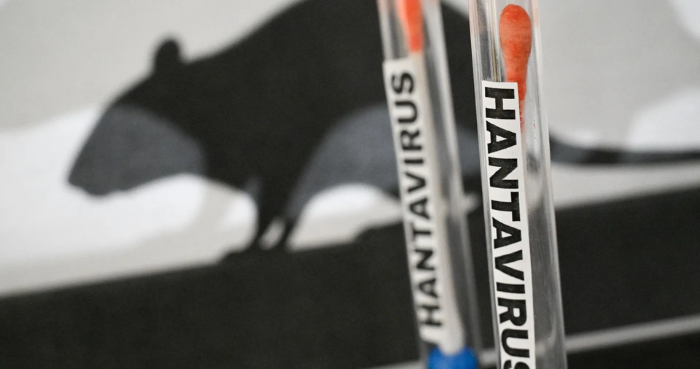
 Health authorities are working to contain a potential international spread of hantavirus after new suspected cases emerged across multiple countries,…
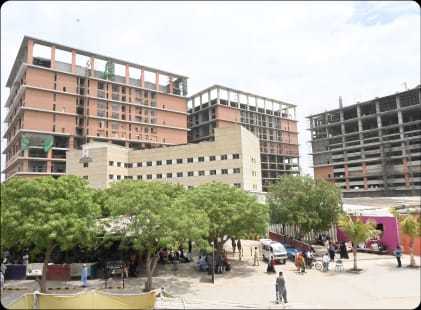
 The Indus Hospital, located in Karachi’s Korangi area, has earned widespread recognition for providing free and quality healthcare services to…
 The Healthcare Devices Association of Pakistan (HDAP) has raised serious concerns over the continued presence of banned reusable syringes in…
- Federal health authorities have ordered strict nationwide enforcement of a ban on conventional disposable syringes and initiated a policy review…


- Direct passenger flights between Tehran–Karachi resumed after a gap of…3 hours ago
- Pakistan’s high-level medical education committee has made it mandatory for…3 hours ago
- Deputy Prime Minister and Foreign Minister Ishaq Dar held a…4 hours ago
- Reports of another leaked Cambridge International Education AS Level Mathematics…5 hours ago