


Political dialogue seen as path to stability
 Web Desk
|
3 hours ago
Web Desk
|
3 hours ago
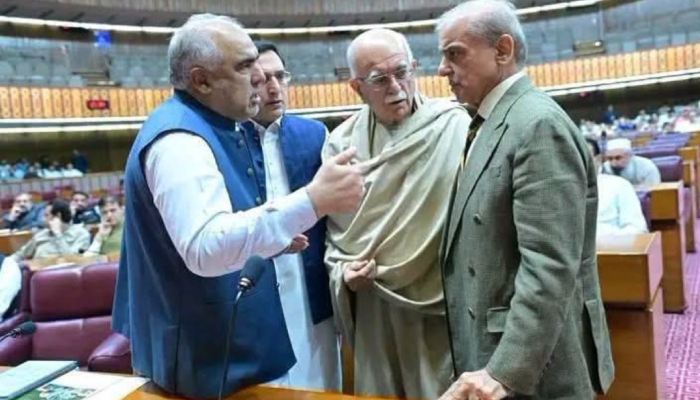
Calls for political dialogue between the government and opposition have gained attention amid efforts to reduce tensions and strengthen democratic processes in Pakistan. Political observers view recent discussions as a positive development in a political environment that has remained deeply polarized for more than two years.
Supporters of dialogue argue that Parliament is the primary constitutional forum for resolving national issues through consultation and public representation. However, limited engagement between the government and opposition in recent years has reduced the effectiveness of parliamentary debate and consensus-building.
Prime Minister Shehbaz Sharif recently signaled openness to negotiations, while Opposition Leader Mahmood Khan Achakzai responded positively to the proposal. Although major differences remain between the two sides, analysts believe dialogue remains the most practical route for addressing political disputes.
Karachi Likely to Experience Hot and Humid Weather in the Next 24 Hours
At a recent meeting of the National Dialogue Committee in Lahore, politicians, journalists and civil society representatives emphasized the importance of negotiations in achieving long-term political and economic stability. Several speakers argued that sustainable solutions can only emerge through engagement rather than confrontation.
Former political figures participating in the discussion suggested that respected intermediaries could help bridge differences between stakeholders. Some participants also stressed that negotiations should focus on restoring normal political processes rather than seeking immediate changes in government structures.
Observers note that divisions within opposition ranks and concerns about internal criticism may complicate efforts to advance meaningful talks. Nonetheless, many participants agreed that continued political deadlock benefits neither democratic institutions nor the broader public.
The discussion also highlighted the need for credible representatives from both government and opposition to lead any future negotiation process. Political analysts believe that successful dialogue would require trust-building measures, clear objectives and a commitment from all sides to pursue peaceful solutions.
Despite challenges, proponents of engagement maintain that dialogue remains the most effective democratic mechanism for resolving political disputes and strengthening institutional stability in the country.
Hajj 2027 registration process begins in Pakistan
PPP says telecom amendment bill must be fully reviewed before Senate approval
Anti-terror court sentences facilitator linked to banned groups to 14 years in prison
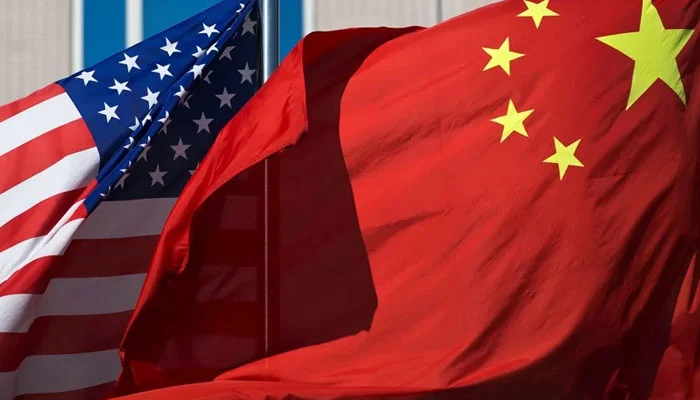
China imposes export restrictions on 10 US defence firms in retaliation move
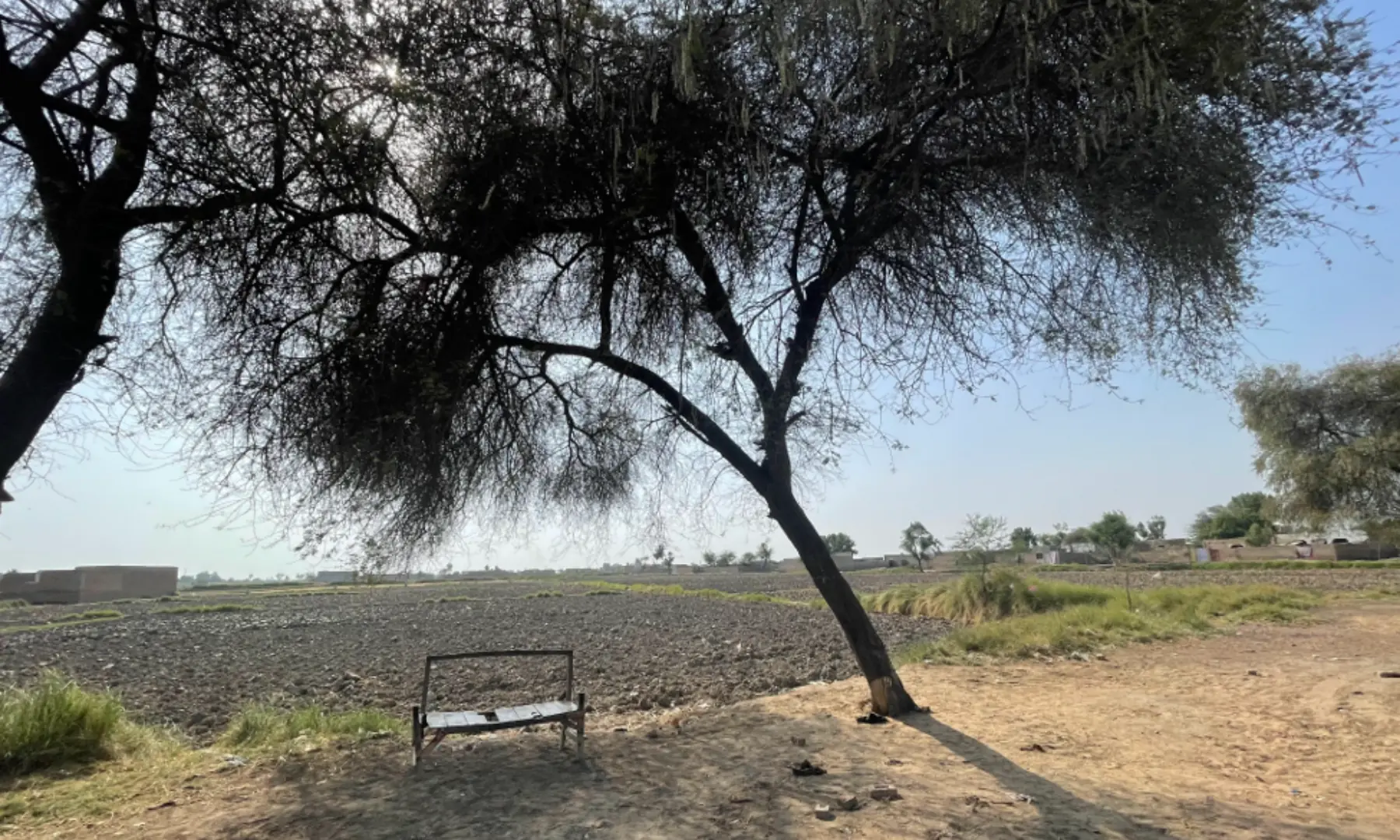
Jacobabad residents battle life-threatening heat amid prolonged power outages
MQM criticises PPP over Karachi water and transport projects in Sindh Assembly
Rana Sanaullah says Pakistan’s diplomacy helped avert wider conflict

Illegal kidney transplant racket busted at private hospital in Kasur

2 minutes ago

24 minutes ago

50 minutes ago
55 minutes ago

58 minutes ago
1 hour ago
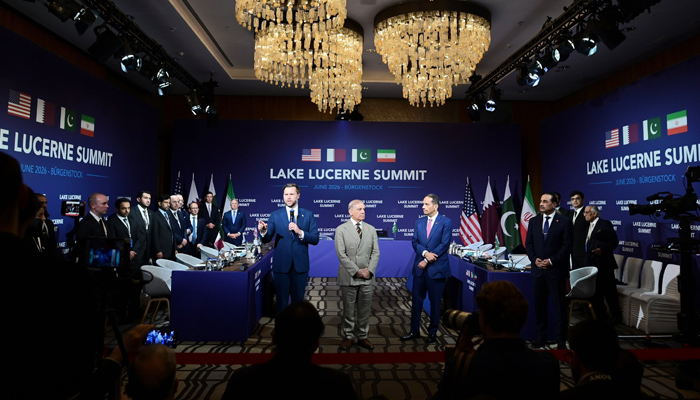
- US Vice President JD Vance has outlined the conditions under which Washington would seek to establish a new chapter in…
- Israeli Prime Minister Benjamin Netanyahu has announced that Israeli forces will continue to maintain control of a security zone in…
- Washington: A U.S. diplomat has said that recent talks with Iran in Switzerland resulted in an agreement on a framework…
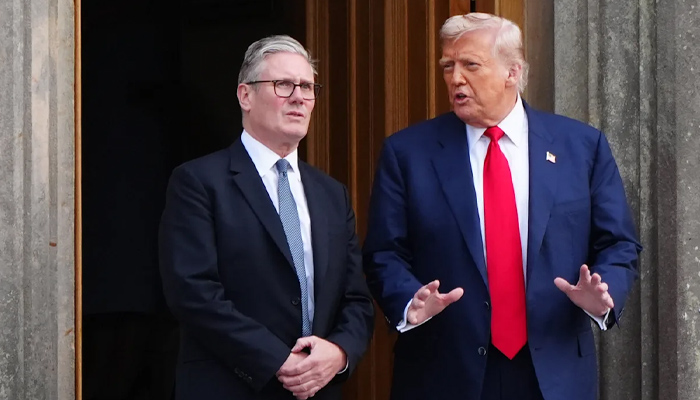
- U.S. President Donald Trump has claimed that British Prime Minister Keir Starmer could soon step down from office. The remarks…
 Karachi is witnessing a worrying surge in congenital heart diseases among newborns, with medical experts warning that thousands of children…
 Pakistan now has the highest diabetes rate in the world, according to the latest IDF report. The report shows that…
 South Africa, Eswatini, and Zambia have begun administering lenacapavir, a groundbreaking HIV-prevention injection, marking a major milestone in the fight…
- KARACHI: The Sindh High Court’s Constitutional Bench was informed on Monday that all milk samples collected in Karachi are harmful…





- The Ministry of Religious Affairs has officially launched the online…2 minutes ago
- Pakistan Peoples Party (PPP) has said it will not support…24 minutes ago
- An Anti-Terrorism Court has sentenced a man identified as Sajad…50 minutes ago
- China has announced export restrictions on 10 US military-related companies,…55 minutes ago